Welcome to Fox Pest Control’s ultimate guide on ants! Whether you’re dealing with an infestation or just curious about these tiny creatures, we’ve got all the information you need. From facts and types to behaviors and ant treatment options, this guide covers it all. Let’s dive in!
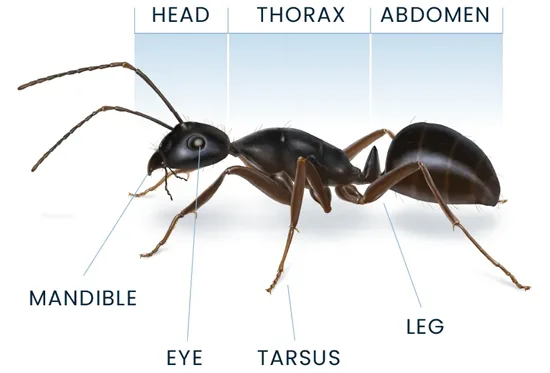
What Do Ants Look Like?
There are over 15,000 species of ants! While we don’t treat all of them, we can help you identify what’s bugging you and take care of them.
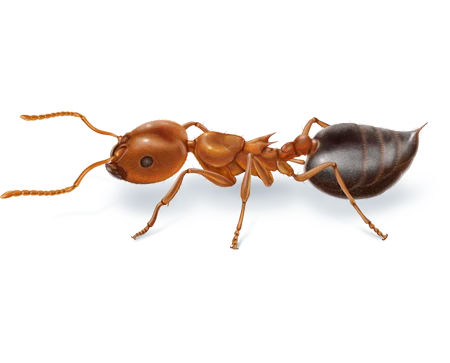
Acrobat Ant
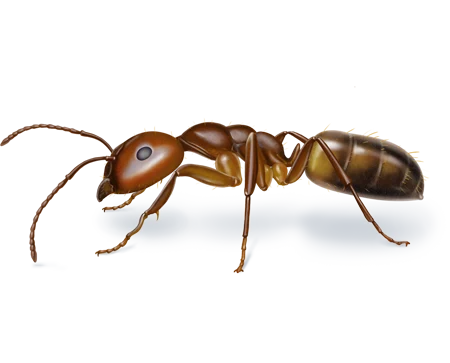
Argentine Ant
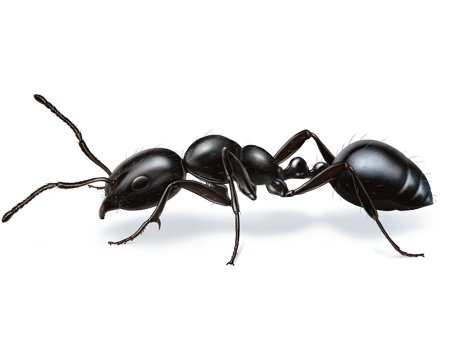
Little Black Ant
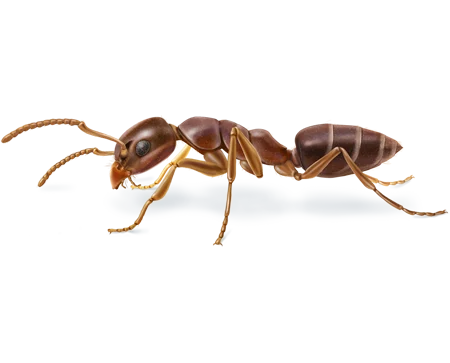
Odorous House Ant
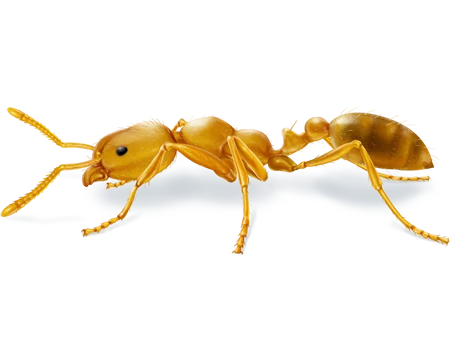
Pharaoh Ant
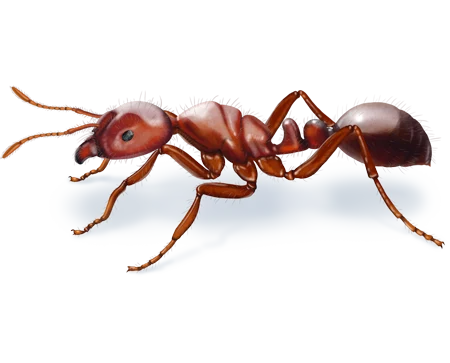
Red Imported Fire Ant
How Many Ants are There in the World?!
Did you know that there are over 15,700 known species of ants? At Fox Pest Control, our technicians have seen many kinds of ants, but less than 1,000 species live in the US. Ants are found on nearly every continent in the world, but you won’t find them in Antarctica, Greenland, Iceland, or a few island nations.
That may sound like a lot, but that’s just the known number of species. Biologist Edward O. Wilson said, “Ants make up two-thirds of the biomass of all the insects. The little things run the world!” And boy, is he right. There are an estimated 20 quadrillion ants on the earth right now – that’s 20 million billion ants that would weigh around 12 megatons if they all got together. Luckily, they are spread out all over the world and not all in your backyard!
Ants have been around for a really, really long time, somewhere between 140 and 168 million years! Some of the most common ants you might see are Acrobat Ants, Argentine Ants, Bigheaded Ants, Carpenter Ants, Crazy Ants, Field Ants, Fire Ants, Little Black Ants, Odorous House Ants, Pavement Ants, Pharaoh Ants, Rover Ants, Sugar Ants, and Thief Ants.
Which Ants Bite or Sting?
Some ants are completely harmless and won’t bite or sting. They live quiet lives, gathering food and building their colonies. Ants that aren’t aggressive and won’t bite or sting you include:
- Argentine Ants
- Bigheaded Ants
- Little Black Ants
- Odorous House Ants
- Pharaoh Ants
- Rover Ants
- Thief Ants
However, some ants are ready, willing, and able to defend themselves when they feel threatened, and you don’t want to mess with them. Ants that are known to bite or sting include:
- Acrobat Ants
- Carpenter Ants
- Crazy Ants
- Field Ants
- Fire Ants
- Pavement Ants
Fire Ants are some of the most obnoxious ants out there. They can not only bite, but they’ll also sting you, leaving you something to remember them by. Fire ants can sting more than once, and if you are unfortunate enough to step into a bunch of them, you’ll be in for a miserable surprise. These ants will leave you with a burning sensation that you won’t soon forget. You may also end up with a bunch of red spots or blisters.
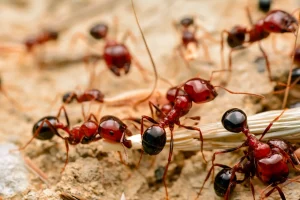
Sometimes, people confuse fire ants with field ants, mostly because they’re both red. Field ants aren’t as aggressive, though, and they can only bite, not sting.
Carpenter ants are much larger, which means a bigger pinch and a little more pain. These ants are a nuisance not only because of their bite but also because they dig through wood and can cause structural damage.
Crazy Ants can bite, but only if they feel threatened, and it’s a lot less painful than any of the other ant bites you could get. The same goes for Acrobat Ants. Pavement Ants do not bite, but they can sting you. They are passive ants and won’t sting unless they feel threatened.
Have an ant problem that needs fixing?
Life Cycle of Ants
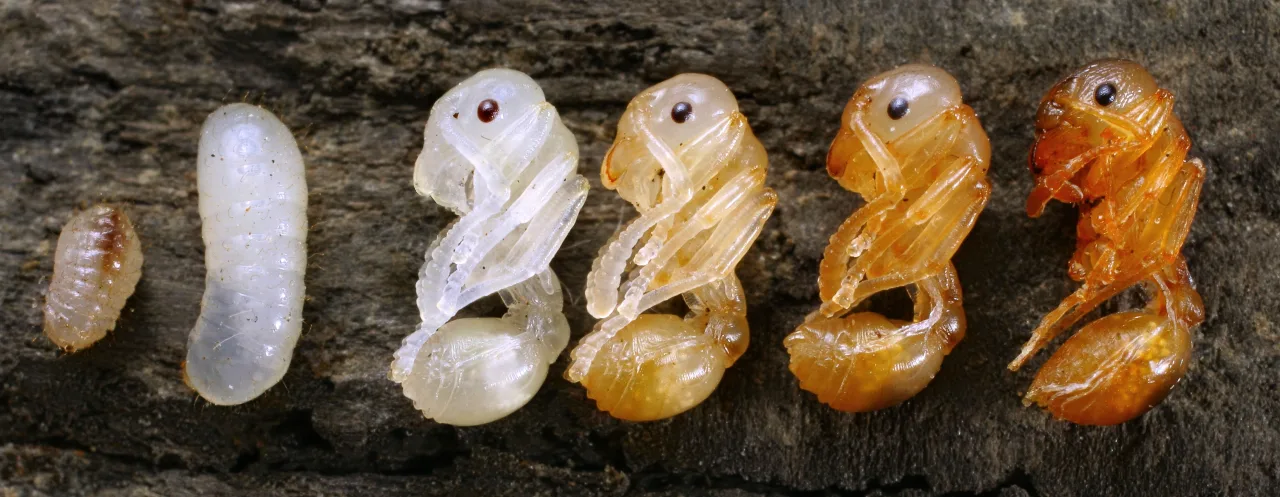
Let’s break down the fascinating journey of an ant’s life step by step. Ants go through a complete metamorphosis, going through four changes: egg, larvae, pupae, and adult. The whole process from egg to adult can take several weeks to a few months, depending on the species and environment.
- It All Starts with an Egg. Every ant begins its life as a tiny, soft, oval egg—about the size of a period at the end of this sentence. Not all these eggs make it to adulthood; some become snacks for their nestmates.
- From Egg to Larva. When an egg hatches, a worm-like larva with no eyes or legs emerges. These little guys are eating machines and rely on the adult ants to feed them constantly. They grow quickly and shed their skin several times as they get bigger.
- Metamorphosis to Pupa. Once the larva has grown enough, it transforms into a pupa. This is a resting stage where lots of changes happen. Pupae look more like adult ants, with their legs and antennae folded against their bodies. They start out whitish and gradually darken. Some spin cocoons for protection, while others remain uncovered.
- Emerging as an Adult. Finally, the pupa emerges as an adult ant. Young adults are often lighter in color but darken as they mature. Their exoskeletons harden after they emerge, which means they won’t grow any larger.
The Roles of Adult Ants
Ants are enthusiastically social insects and live in colonies with a very structured hierarchy. Each member of the colony has a role to play, which falls into three categories: queens, workers, and males.
Queens: These females are fed more as larvae and grow larger than workers. They lay all the eggs in the colony, sometimes millions! Queens start with wings, which they use to find a mate, and are called reproductives. After mating, they shed their wings and start new colonies. Queens can live for decades if conditions are right.
Workers: These are females, too, but they were fed less as larvae. They don’t have wings or reproduce. Instead, they take care of all the other jobs, like looking after the brood, building and cleaning the nest, and gathering food. Workers usually live for several months to several years, depending on the species and where they live.
Males: Male ants have wings, and their main job is to mate with queens. They don’t do any of the colony chores and live only a few weeks.
Several times a year, you might see winged ants emerging from the colony. Remember, these are the future queens and their mates. This happens in all colonies of the same species on the same night. These winged ants look like the worker ants, but they’re larger and have two pairs of wings—the front pair is much bigger than the back pair. These winged ants take flight to mate and then pick a spot to start a new colony. After mating, they shed their wings and dig into the soil to build a new anthill.
Mistaken Identities: Tiny Tricksters That Only Look Like Ants
Earlier we said females searching for a mate and new colony location will have wings. Well, because of that, sometimes they get mixed up with swarming termites, also called alates. Swarming termites usually have the same goal as winged ants – they’re searching for a good place to start a new colony. If you see a winged insect, whether an ant or termite, you’ll want to get some help to protect your home, but it’s good to know which you’re dealing with. It’s probably worse to have termites, but nobody wants a house full of ants, either.
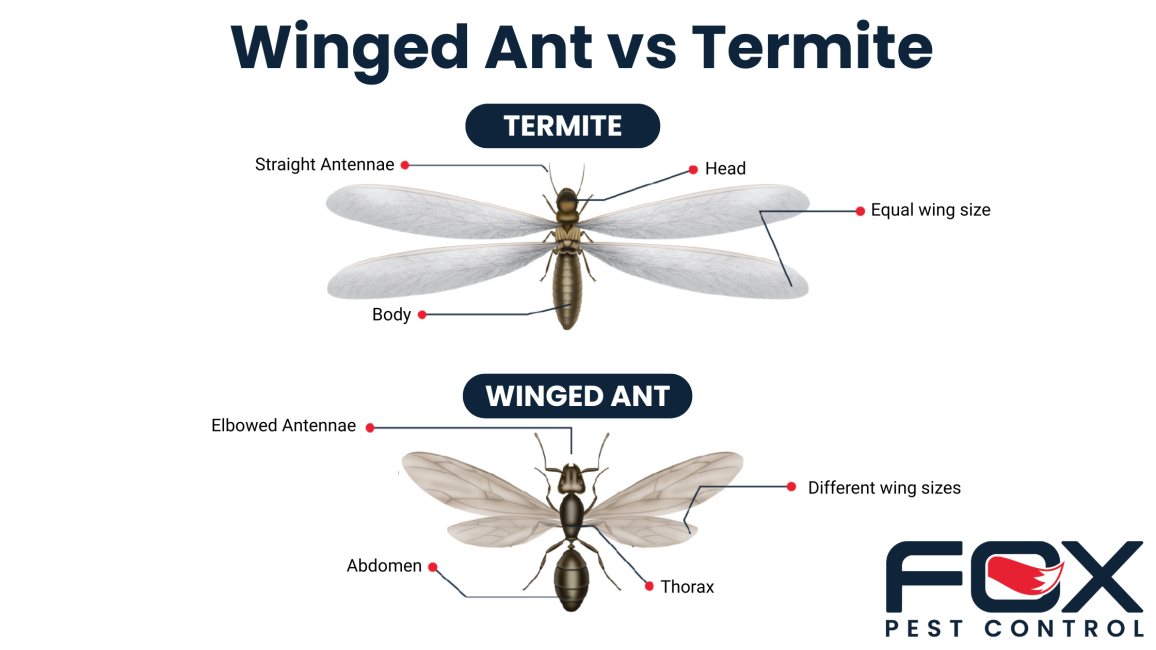
When we discussed reproductive ants, we mentioned how they develop wings to find mates and new locations for their colonies. Reproductive termites do the same, which can make it tricky to identify whether you’re looking at a winged ant or a termite. Here are some key differences to help you tell them apart:
Body Shape
- Winged Termites: They have a uniform, straight, and broad body without a noticeable waist. Their abdomen appears almost as one solid line.
- Winged Ants: Ants typically have a distinct narrow waist between their thorax and abdomen, giving them a “pinched” or segmented appearance.
Antennae
- Winged Termites: Their antennae are straight and resemble tiny beads.
- Winged Ants: Ants feature elbowed or bent antennae that curve, resembling a boomerang.
Wings
- Winged Termites: Both pairs of wings are equal in size and longer than their bodies, resulting in a rectangular, boat-like appearance.
- Winged Ants: The front wings of ants are noticeably longer than their hind wings, creating a more triangular, asymmetrical shape when folded.
Color
- Winged Termites: These insects are generally light or dark brown.
- Winged Ants: Ants can vary in color, often ranging from dark brown to black, but some species may display different hues.
Swarming Differences
- Winged Termites: Most species, like subterranean termites, tend to swarm in the spring, particularly after rainfall. However, drywood termites often swarm in late summer or early fall.
- Winged Ants: Ants generally swarm in late spring and early summer. Their swarming patterns can be influenced by environmental factors such as temperature and rainfall, which means they might emerge during warmer months in milder climates.
Have an ant problem that needs fixing?
Behavior, Diet, and Living Conditions of Ants
Remember how we talked about ant colonies starting? It usually begins when a new queen flies away from her home colony to mate with a male. Once she finds the perfect new location, she drops her wings and establishes a new colony. After settling in, she stays secure in the nest for several weeks, laying eggs and caring for her young while relying on worker ants to groom and feed her. Sounds like happily ever after, right?
Not so much for the male ant. His part is over, and he’ll most likely die within a few days. A tragic love story to rival any Shakespeare drama!
Some ant species, like the Argentine and Pharaoh ants, establish new colonies when new queens mate at the old nest. Workers accompany these queens to new nesting sites. These queens may not have wings or be able to fly well, so the workers help establish the new colonies.
Ant Nesting Habits
An ant colony can be home to hundreds of thousands of ants, each with their own important job, led by one or more queens. Some species can have just a couple of queens, while others can have thousands! However, others, like Pavement Ants, have only one functional queen. The queens are busy laying thousands of eggs to keep the colony thriving. The worker ants, which are the ones you usually see, are all females. They don’t reproduce but take care of everything else, from foraging for food and taking care of the queen’s offspring to building the nest and protecting the colony. Some hardworking ants can carry up to 50 times their body weight!
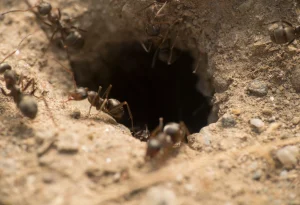
There are a variety of nesting habits among the different species of ants. Some ants build their nests right in the soil, creating those familiar mounds you see in exposed areas. Others prefer to nest in the soil under objects like logs, bricks, or concrete. Some species even make their homes inside houses, hiding behind moldings, baseboards, countertops, and wall voids. Some ants nest in decaying or moisture-damaged wood.
Some species, like army ants, are always on the move. They travel in big groups, known as “raids,” searching for food. They march in a coordinated attack, consuming almost anything in their path. Their large mandibles and powerful stingers make them very effective predators. Army ants are mainly found in tropical and subtropical regions, like rainforests.
Ants are fascinating creatures with highly organized social structures. One important part of their communication is using pheromone trails, which are essential for their navigation, foraging, and overall colony efficiency. If you’ve ever seen ant trails and wondered how they stay in formation, here’s your answer.
What Are Pheromones?
Pheromones are chemicals that ants produce and release to communicate with each other. Different pheromones can give off different messages, such as alarm signals, mating signals, or food sources.
How Ant Pheromone Trails Work
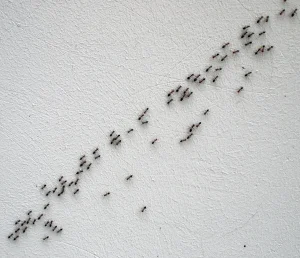
- Laying the Trail: When a foraging ant finds food, it will lay down a pheromone trail on its way back to the nest. This trail is a chemical signal that other ants can detect.
- Following the Trail: Other ants in the colony will pick up on this trail and follow it to the food source. They reinforce the trail by adding more pheromones as they travel back and forth.
- Strengthening and Decay: The more ants that use the trail, the stronger it becomes. Conversely, if the food source is exhausted or the trail is no longer needed, the pheromones will gradually decay, and the trail will fade.
Types of Pheromones
There are different types of pheromones, each with a specific job. Recruitment pheromones help lead other ants to a food source, while trail pheromones create a path for them to follow. If the colony is threatened, alarm pheromones are released to alert the others. During mating season, sex pheromones are used to attract mates.
Pheromone trails are super important for the efficiency of an ant colony. They play a big role in optimizing foraging and ensuring food sources are quickly located and exploited. They also help with coordinated defense, allowing the colony to respond rapidly to threats. Plus, these trails are crucial for navigation, helping ants find their way back to the nest and locate important resources. It’s pretty incredible how such tiny creatures have such an organized system!
Understanding the role of pheromone trails in ant behavior is essential to effective ant control. By disrupting these trails, you can prevent ants from efficiently foraging and communicating, making it easier to control their population.
What Do Ants Eat?
Ants are pretty adventurous eaters, and their diet can vary a lot depending on the species. In general, ants are omnivores, meaning they’ll munch on plants and animals. Let’s chat a bit more about what these tiny critters usually eat and how they go about finding their food:
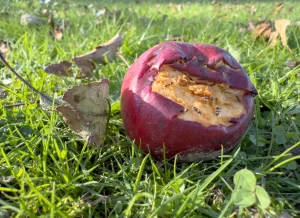
- Sugary Substances: Ants have a sweet tooth! They love sugary foods like nectar, honeydew (a sugary liquid produced by aphids), fruit, and even sugary human foods like candy and soda. You’ll know what we mean if you’ve ever left a soda spill out on a table!
- Protein: Ants also need protein for their growth and development. They get this from dead insects, meat scraps, and even seeds.
- Fungi: Some ant species, like leafcutter ants, cultivate fungi. They cut leaves and bring them back to their nest to grow fungi, which they eat.
- Greens: While not as common, some ants consume plant matter, including seeds, leaves, and roots.
How Ants Get Their Food
Ants get their food in various ways, depending on the species. Overall, ants are excellent foragers. Worker ants leave the nest searching for food, using their antennae to pick up chemical signals. Once they find a food source, they leave a pheromone trail back to the nest to guide other ants to the food.
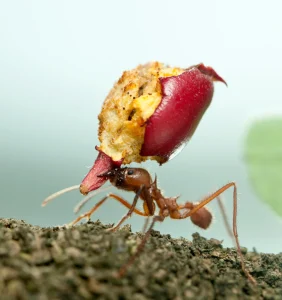
They are also natural scavengers and will take advantage of any available food source, whether it’s a fallen piece of fruit, a dead insect, or human leftovers. Some species, like army ants, are hunters. Army ants are carnivorous and prey on a wide variety of animals and other insects. They actively seek out and attack small insects and large prey like reptiles, birds, and even small mammals to bring back to the colony.
As mentioned earlier, leafcutter ants practice farming by growing fungi. Other ants, like some species of ants that farm aphids, protect and “milk” aphids for their honeydew. Some species collect seeds and other plant materials. Harvester ants, for instance, gather seeds and store them in their nests as a food reserve.
Ants are resourceful and hardworking, ensuring their colony has a steady food supply. Whether foraging, scavenging, hunting, farming, or collecting, these industrious insects have developed various strategies to thrive in their environments.
Have an ant problem that needs fixing?
Signs of an Ant Infestation
So, now that you know a little more about ants, let’s discuss what to watch out for to prevent your home from becoming an ant B&B.
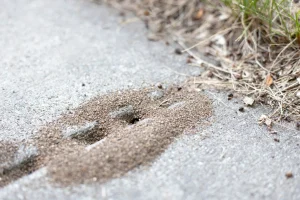
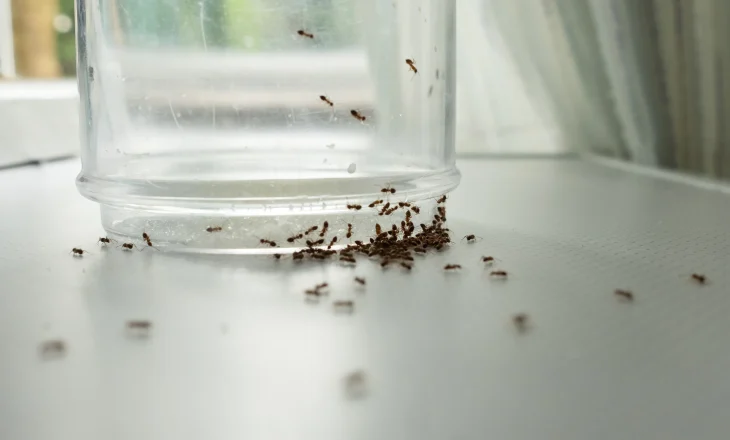
We’ve already talked about pheromone trails, or pathways, that ants use to make their way from the nest to a food source. If you see a trail of ants, you can be sure that one of them left a pheromone trail. Ants can find their way into your home through the foundation, windows, doors, and pipes. They can also make themselves into a bridge to cross from a tree branch or leaf to get into your home, so keep foliage trimmed away from your house.
Sometimes, when an ant discovers a food source, they’ll use pheromones to signal all of its buddies, and they come running, which can cause ants to swarm. This can look like a pile of ants, and usually, you’ll see it in grass, sand, or cracks in cement or brick.
Dirt mounds can indicate the entrance to an elaborate tunnel system. Sometimes, these tunnels can be more than 15 feet deep! Here’s a crazy fact: The Argentine Ant Supercolony is the largest known ant colony. This massive colony stretches at least 3,700 miles from the west coast of Spain, across the South of France, and into Northern Italy and houses something like 307 million ants!
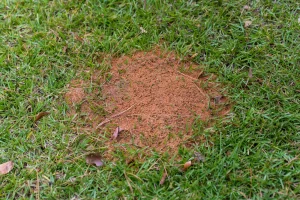
Most ant colonies aren’t that big, but they can still have anywhere between 20,000 and 100,000 ants, which is a lot of mouths to feed! You can find these dirt mounds in bare dirt, sand, or in growing, healthy grass.
Red imported fire ants build visible soil mounds in places with the most sun. They are dome-shaped and can be up to 18 inches tall. You won’t usually see an entrance on the mound because the ants usually travel through underground tunnels. Fire ants don’t like the dark, so they won’t typically be found in shady areas. They also don’t like the cold, so they stay deep in the nest during colder weather.
Most ants are neat freaks and like to keep their nests tidy. They don’t let anything clutter up the nest, so you might find old food items, debris, and even dead ants outside the nest. Carpenter ants are particularly messy, burrowing into wood to create their nests. They leave piles of fine wood shavings or sawdust just outside where they’re burrowing.
What You Can Do About Ants
So, you saw the signs, and you know you’ve got ants. Or, you don’t see any signs but want to make sure you don’t have a neon sign advertising a vacancy for them to move in. We have some great tips to help make your home less inviting to these pesky insects.

First, make sure to seal all entry points into your home. As tiny as ants are, they can find a way into the smallest crack and crevice. Seal up all around your windows and doors, around the foundation of your home, and any pipes or holes. Remember, ants can use each other as a bridge to get from a branch or leaf onto a window, so make sure you keep all vegetation trimmed and away from your house.
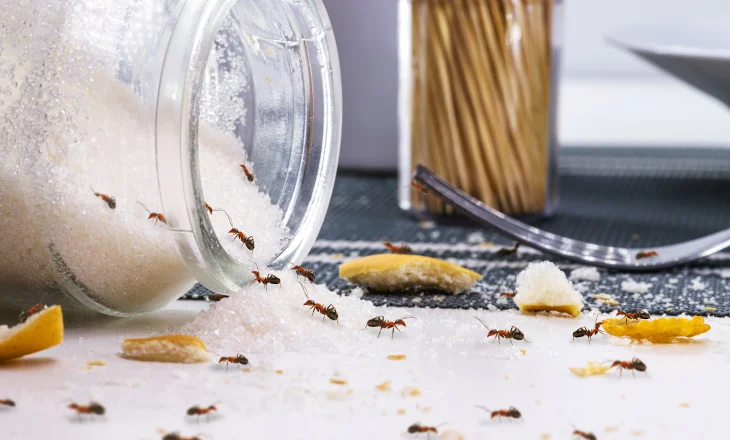
Keep all garbage cans closed tightly, and don’t leave food out on the counter or dirty dishes in the sink. Ants will not only find their way in but signal to the colony that you’ve opened a smorgasbord, and you’ll have a fine mess to deal with.
It’s also important to clean regularly. By wiping down counters and mopping floors, you can disrupt pheromone trails and prevent them from entering your home. You need to eliminate the source of the problem, which can sometimes come from a kiddo leaving a banana peel in an open garbage or dropping a few snacks on the ground under the couch, which are invitations to ants to visit. Regularly cleaning around your home will help protect against many pests, including ants.
How Do I Get Rid of Ants?
If you’re wondering how Fox gets rid of ants, look no futher. We know all about ants and what to do to get rid of them. When you combine the tips above with our Home Protection Plan, you get year-round protection from ants and many other common household pests. We’ll help you spot entrance points, unsealed areas, and potential issues causing the ant infestation. Our technicians get regular, on-the-ground training and know how to deal with your ant problem. You can count on Fox to give you peace of mind and help you feel comfortable and safe in your home. Give Fox Pest Control a call today!