Free Inspections & EstimatesSame Day Service
Rats, it's time to scat!
Feel comfortable in your home. Let Fox Pest Control take care of your rat problem.
Same Day Service
Free Inspections & Estimates
Satisfaction Guaranteed

To ensure our customers’ safety, all Fox Pest Control technicians undergo a thorough screening process and complete extensive classroom training, along with ongoing on-the-job mentoring with an experienced technician.
Got rats? The best way to handle a rat infestation is to understand their behavior and stop them before they take over. As your trusted rat exterminator, we’ll take care of any rat problems you’re dealing with. With our expert rat removal services and Home Protection Plan, your home stays protected from rats all year long. And if they somehow find their way back in, we’ll come back for free to handle it. Don’t wait—call Fox Pest Control today!
Call Fox Pest Control today for a free inspection: (855) 953-1976.
Call before 2 pm and get same-day service.
Remote locations and other conditions may require next-day service.
A certified technician will inspect your property and provide customized pest control treatment based on their findings.
Each service provides a detailed report and helpful tips to keep pests away. We return regularly throughout the year, increasing protection with every visit.
Everything you never wanted to know about rats.

Hamilton Allen Ph.D., BCE
Certified Entomologist, Fox Pest Control
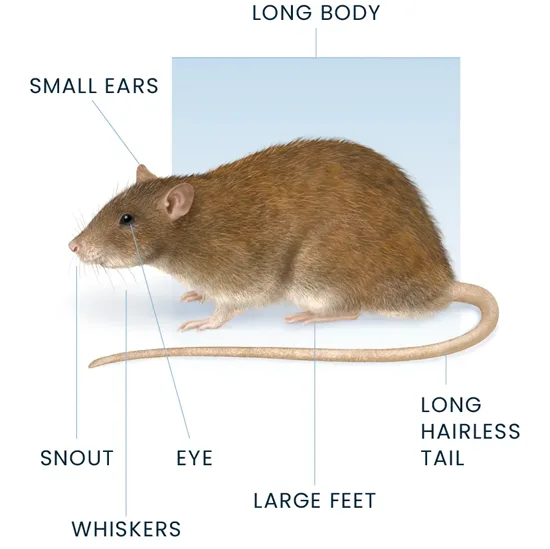
Size: up to 16”
Number of legs: 4
Wings: no
Bites or stings: yes
Color: brown and black, with lighter underside
Carry disease: yes
Damages home/yard: yes
Most active season: year-round
Fox plan for this pest: Home Protection Plan


Norway Rat

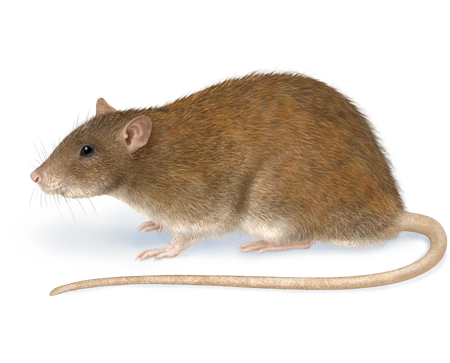
Roof Rat
Had it with rats?
Call now and get $50 off pest control.
Call before 2pm and get same-day service.
They have a constant need to chew to keep their teeth from growing too much. These rodents are medium-sized, larger than mice but smaller than beavers.
Each species varies in color, diet, habitat, and size. In the United States, we generally deal with two main species: the Norway rat and the roof rat.
There are usually about 6-8 in a litter, are born hairless, deaf, and blind. As they grow, they gain weight, switch to solid food, and become more active.
With better nutrition, domesticated or pet rats may be more robust due to less energetic activity. Wild rats, relying on foraging, tend to be leaner and have shorter lifespans than their housed counterparts.
Roof rats have a lifespan of about 1 year, while Norway rats can live for over two years. Domesticated rats tend to live longer than wild ones. Pups become independent at three weeks, and sexual maturity begins at five weeks for most rodents, including rats. Females are ready to mate between the fifth and eighth week, while males mature later, at 10 to 12 weeks. Pregnancy lasts 21-23 days, and females can conceive again shortly after giving birth.
To gain a deeper understanding of these persistent rodents, explore our Rats Pest Files—a comprehensive resource covering rat behavior, the threats they pose, and effective strategies for prevention and control.

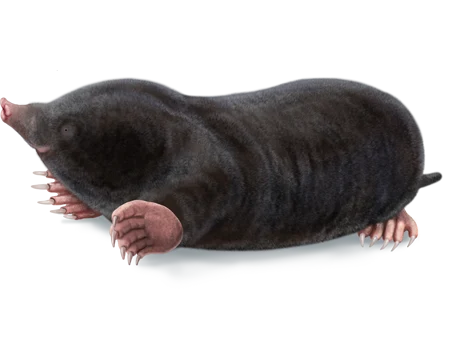
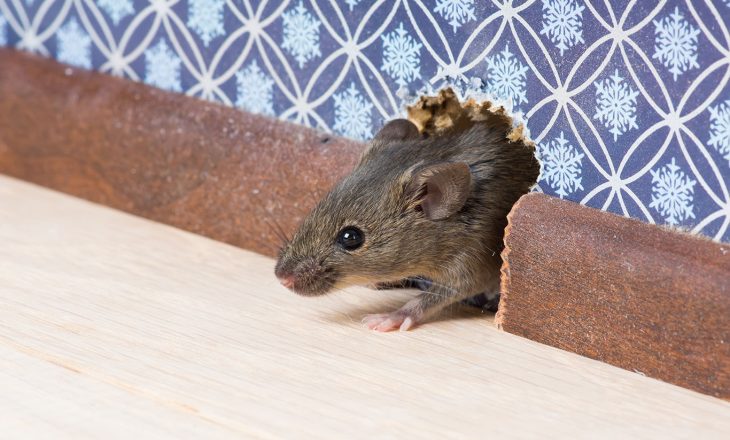
People often mistake rats for voles, moles, mice, muskrats, and even rabbits.

Mole

Mouse

Rat

Vole
You might already know for sure that you have an rat problem. Here are a couple of the most common signs of rat infestation.
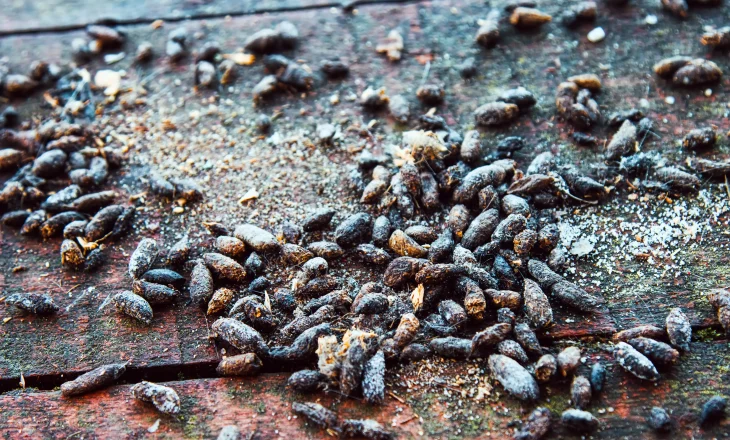
These are small, dark, and pellet-shaped, typically found near food sources, in cabinets or pantries, along walls, or in hidden corners.
Rats have strong teeth that are continually growing, leading them to gnaw on various materials. Look for chewed wires, cardboard, plastic, and wood around the home.
Rats mark their territory with urine, leaving noticeable stains and a distinct, unpleasant smell, almost like stale ammonia. The odor may be particularly strong in enclosed spaces.
Rats use shredded paper, fabric, or plant matter to create nests. Discovering nests in secluded areas, such as attics or basements, is a sign of an infestation.
Rats are active at night, so you might not hear anything. However, if you hear scratching, squeaking, or scampering sounds in walls, ceilings, or under floorboards, you most likely have some uninvited guests.
Rats often follow the same pathways as they move around. You can spot their footprints by checking for dust or dirt that marks their tracks. To confirm a rodent pathway, sprinkle some flour, and you’ll probably see footprint marks the next day.
Your dog or cat will notice rodents in your home before you do. Unusual behavior from pets, such as increased barking, scratching, or agitation in specific areas, may indicate the presence of rats.
Seal entry points
Clean regularly
Store food properly
Keep garbage sealed
Reduce clutter and clean frequently
Keep yard clean & tidy
4.72 Average | 45,000+ Reviews
We’re so sure you’ll love our service, we guarantee it. If you spot any pests included in your plan, just give us a call. We’ll come back until the pests don’t.
Send us a message using the form below, or just give us a call at (855) 953-1976.