Free Inspections & EstimatesSame Day Service

Get Cricket Control Near You

Quiet those crickets!

Feel comfortable in your home. Let Fox Pest Control take care of your cricket problem.

Same Day Service

Free Inspections & Estimates

Satisfaction Guaranteed

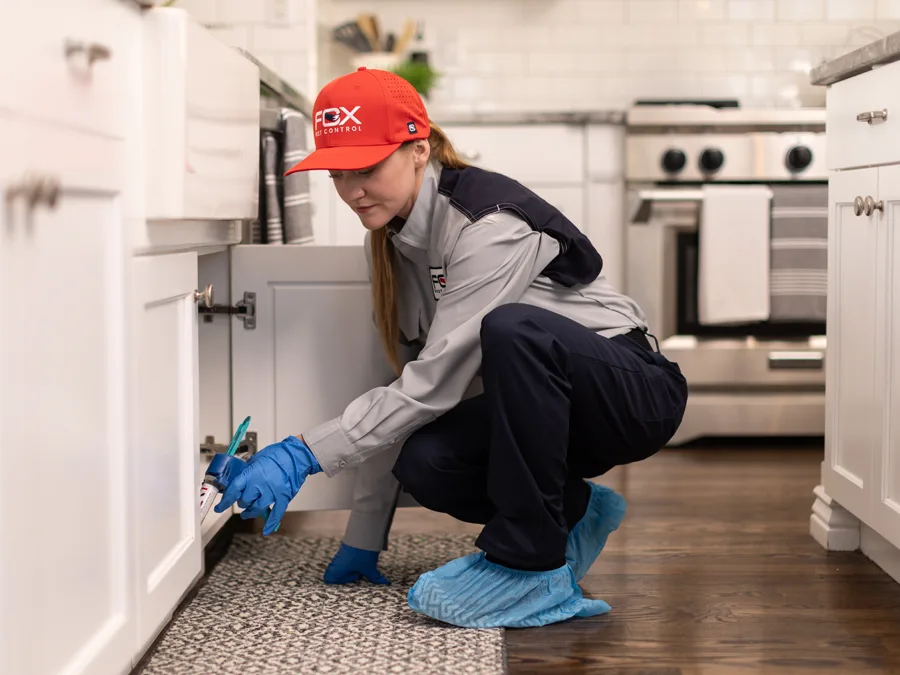
Fox Pest Control technician inspecting kitchen for pests

Fox techs are experts at evicting your tiny tenants.

To ensure our customers’ safety, all Fox Pest Control technicians undergo a thorough screening process and complete extensive classroom training, along with ongoing on-the-job mentoring with an experienced technician.

The easiest way to get rid of crickets.

Wondering how to get rid of crickets? The secret is understanding their habits and using them to your advantage. At Fox Pest Control, we’re experts in cricket control and have the right solutions to tackle any cricket infestation. Plus, with our Home Protection Plan, your home stays protected from crickets all year long. We’re all about results, which is why we guarantee you’ll be satisfied with our cricket control. If they don’t stay gone, we’ll come back for free!

1

Schedule with Fox

Call Fox Pest Control today for a free inspection: (855) 953-1976.
Call before 2 pm and get same-day service.

Remote locations and other conditions may require next-day service.

2

Treatment

A certified technician will inspect your property and provide customized pest control treatment based on their findings.

3

Follow Up

Each service provides a detailed report and helpful tips to keep pests away. We return regularly throughout the year, increasing protection with every visit.

Hamilton Allen Ph.D., BCE

Certified Entomologist, Fox Pest Control

Cricket Facts


Size: 1/12th – 2 inches
Number of legs: 6
Wings: yes, most species
Bites or stings: rarely
Color: black, brownish yellow, yellow
Carry disease: yes
Damages home/yard: yes
Most active season: late summer to fall
Fox plan for this pest: Home Protection Plan

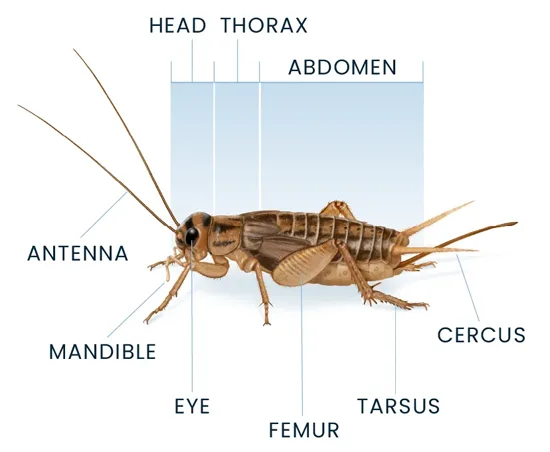
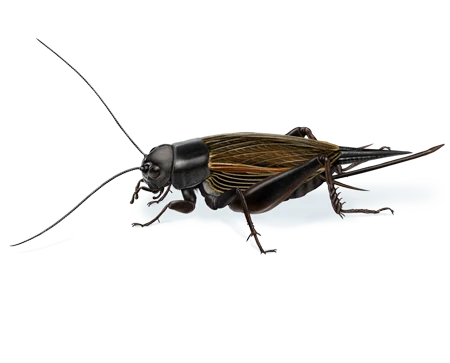
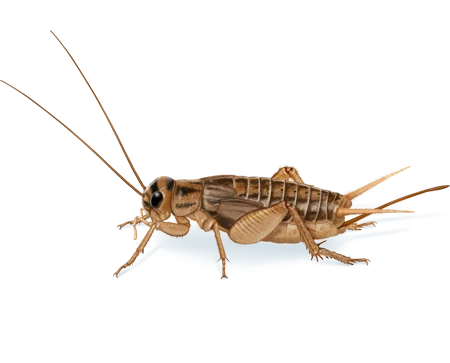
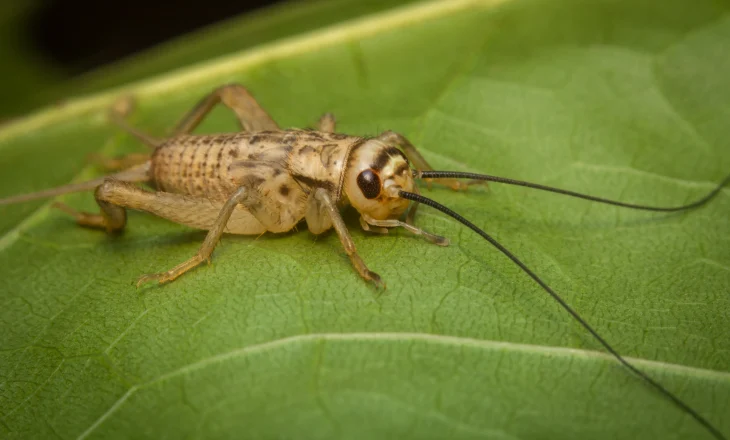
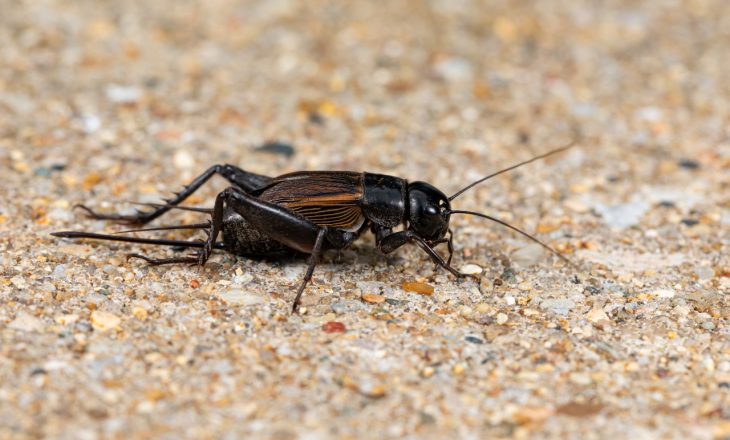
What do crickets look like?

Cricket Anatomy Diagram

Field Cricket

House Cricket

Crickets are nocturnal, and most active during warm months.

They may seek shelter in homes or other buildings during colder seasons.

Crickets are close cousins of grasshoppers, locusts, and katydids.

All of them belong to the Orthoptera order, and they share many characteristics. Katydids, however, are the closest relatives; both have long antennae, are nocturnal and omnivorous, and make lots of noise.

Male crickets make music by rubbing their wings together, which is called stridulating.

Their song attracts receptive females and is followed by a serenade during courtship. If accepted, they may announce their partnership with a song. Male crickets also sing rivalry songs to defend their territories, and each species has a distinctive call with a unique volume and pitch.

How fast crickets chirp is influenced by temperature.

As a rule of thumb, the warmer it is, the more often crickets chirp. In some places, people even use the sound of crickets to guess the temperature.

Crickets “hear” through their legs!

Or rather, through small auditory organs, called tympana, found on their front legs. They can detect the frequency of the sound produced by other crickets and respond accordingly.

In some cultures, crickets are associated with good luck.

They are considered symbols of prosperity and protection. The chirping of crickets is sometimes believed to bring positive energy.

To deepen your understanding of these pests, we invite you to explore our Cricket Pest Files—an informative resource designed to help you learn more about cricket behavior, risks, and effective control strategies.

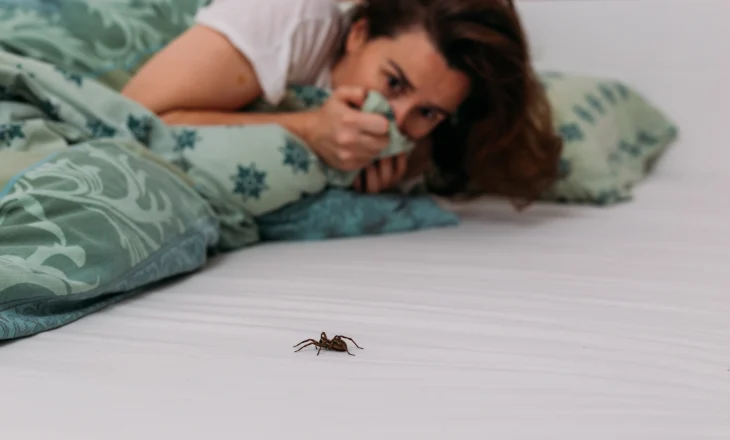
Pests that can be confused with crickets.

People might mistake crickets for grasshoppers or katydids. These insects share similarities, such as their long hind legs and somewhat similar body shapes. However, they have distinct features, with crickets known for their chirping sound, while grasshoppers are typically larger and have different feeding habits.

You might already know for sure that you have an cricket problem. Here are a couple of the most common signs of cricket infestation.

The most common sign is the distinct chirping sound produced by male crickets. If the sound is persistent and indoors, it may indicate a large population.

If you often see crickets inside your home, especially in larger numbers, you may have an infestation.

Some crickets may chew on fabrics, paper, or clothing, causing damage. Finding holes or irregular edges on these materials could be a sign.

Cricket droppings, which resemble small, dark pellets, may be visible in areas where they congregate.

In outdoor spaces, crickets may feed on plants and can cause damage to vegetation.

Seal entry points

Use amber lights

Clear gutters and drains

Keep garbage sealed

Keep compost & waste far from your house

People like us.
Pests don't.

4.72 Average | 45,000+ Reviews

Bryan A.

I could not be more pleased with our initial home treatment today! Vincent arrived on time and was extremely thorough in his explanation of the services he performed. He was very polite, respectful of our inside spaces, and had a great attitude throughout the visit. A++ professional! Thank you!

Kayla B.

Overall - very satisfied with communication and job done for my first time ever hiring pest control. Very knowledgeable and explains everything. Makes it very easy to maintain for a super busy family like ours.

Fox Guarantee: We Come Back for Free!

    What type of property do you need help with?

    Are you a current customer?


    By clicking the checkbox, I am providing my eSign signature and consent to Fox Pest Control contacting me at the number above for marketing purposes including through the use of automated technology, SMS/MMS messages, and prerecorded and/or artificial voice messages (including AI generated messaging).  I acknowledge my consent is not required to purchase and I can connect with Fox Pest Control without providing consent by calling 833-667-3785. Message frequency may vary, and message & data rates may apply. Reply 'STOP' to unsubscribe. Reply 'HELP' for help. I also agree to the Fox Pest Control Privacy Policy and Terms of Use.

    Fox Pest Control technician talking to female customer

    Cricket FAQs

    What do crickets eat?

    Crickets are omnivores, which means they eat a variety of things. Cricket’s diet includes plants, insects, and organic matter like decaying leaves and other debris. If you want to make sure crickets aren’t hanging out at your house, call Fox Pest Control today!

    Why do crickets chirp?

    Crickets chirp primarily as a mating call, with males producing the sound by rubbing their wings together to attract receptive females. If you’re tired of crickets keeping you awake at night, call Fox Pest Control today for a free consultation.

    How long do crickets live?

    The lifespan of crickets varies, but on average, it lasts from several weeks to a few months. Different species of crickets may have different lifespans, influenced by factors like environment and climate. If you want to get rid of crickets today, call Fox Pest Control! Our Home Protection Plan covers crickets and will keep your home protected from common household pests.

    Do crickets bite?

    Yes, crickets can bite, but it’s quite rare. Their bites are generally not harmful to humans. Crickets are more known for their chirping and hopping than for biting people. Still, they are a nuisance that we can take care of for you – call Fox Pest Control today for a free consultation!

    Are crickets good or bad?

    Crickets are generally considered beneficial as they contribute to ecosystems by controlling insect populations, but they can be considered a nuisance in large numbers indoors. If you’re dealing with a cricket infestation at your home, call Fox Pest Control today!