Free Inspections & EstimatesSame Day Service

Get Stinging Insect Control Near You

Sting-free is the way to be.

Feel comfortable in your home. Let Fox Pest Control take care of your stinging insect problem.

Same Day Service

Free Inspections & Estimates

Satisfaction Guaranteed

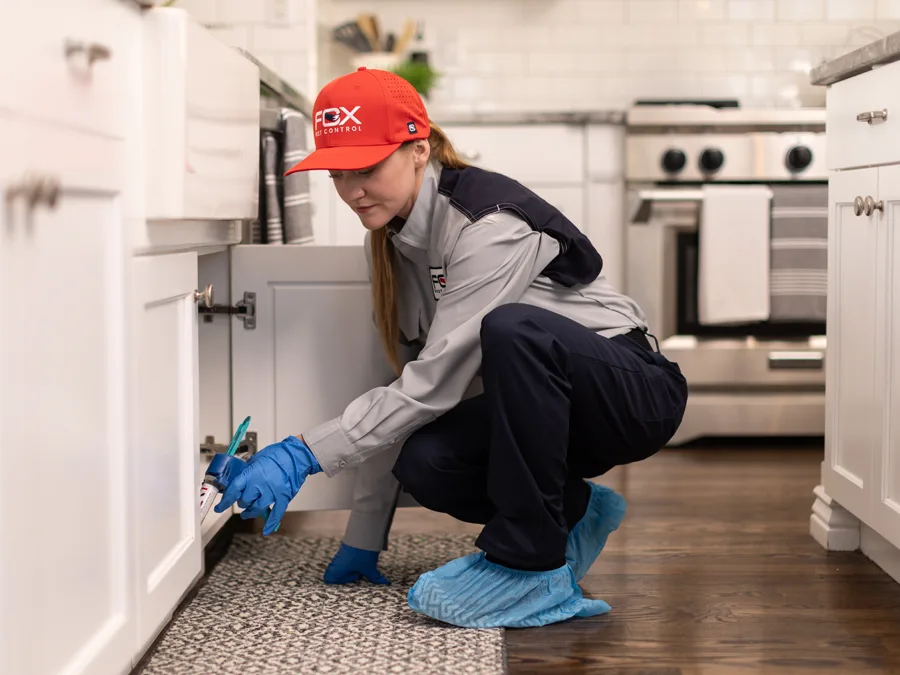
Fox Pest Control technician inspecting kitchen for pests

Fox techs are experts at evicting your tiny tenants.

To ensure our customers’ safety, all Fox Pest Control technicians undergo a thorough screening process and complete extensive classroom training, along with ongoing on-the-job mentoring with an experienced technician.

The easiest way to get rid of stinging insects.

Got stinging insects buzzing around? The best way to handle them is to call Fox Pest Control! We specialize in stinging insect control and know exactly how to take care of wasps, hornets, and other aggressive pests. With our expert services, you can trust us to protect your home and family. Plus, with our Home Protection Plan, we’ll keep your yard protected from stinging insects all season long. And if they come back? So do we—for free! That’s the Fox Guarantee!

1

Schedule with Fox

Call Fox Pest Control today for a free inspection: (855) 953-1976.
Call before 2 pm and get same-day service.

Remote locations and other conditions may require next-day service.

2

Treatment

A certified technician will inspect your property and provide customized pest control treatment based on their findings.

3

Follow Up

Each service provides a detailed report and helpful tips to keep pests away. We return regularly throughout the year, increasing protection with every visit.

Hamilton Allen Ph.D., BCE

Certified Entomologist, Fox Pest Control

Stinging Insect Facts


Size: ¾ – 2 inches
Number of legs: 6
Wings: yes
Bites or stings: yes
Color: varies
Carry disease: no
Damages home/yard: no
Most active season: summer & early fall
Fox plan for this pest: Home Protection Plan/Specialty Plan

What stinging pests does Fox treat?

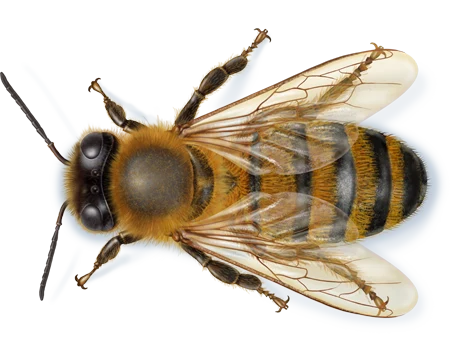
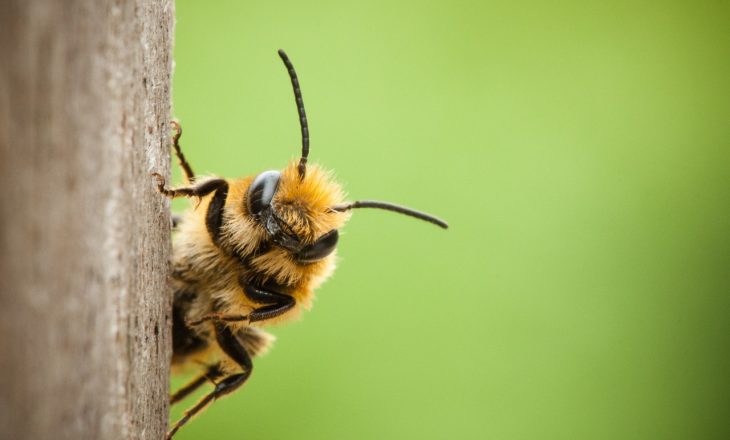
Bee

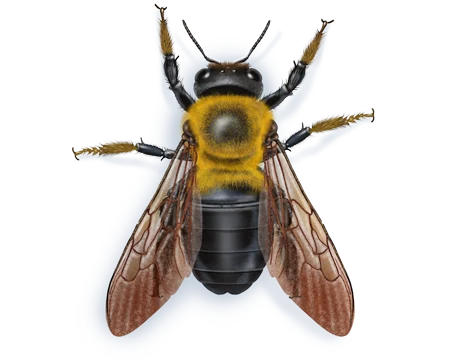
Carpenter Bee

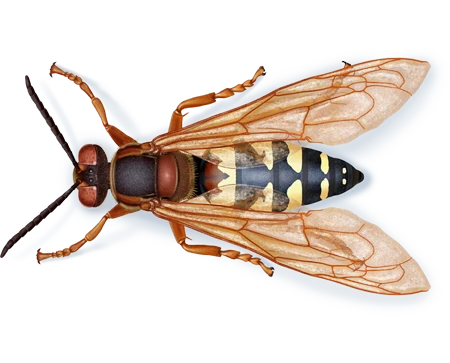
Cicada Killer

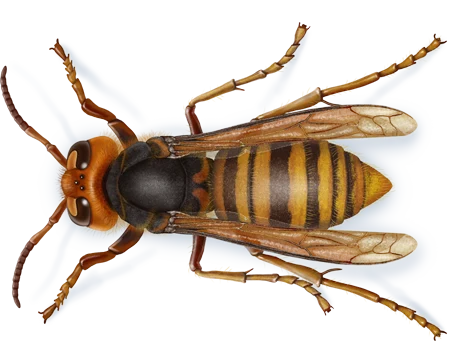
Hornet

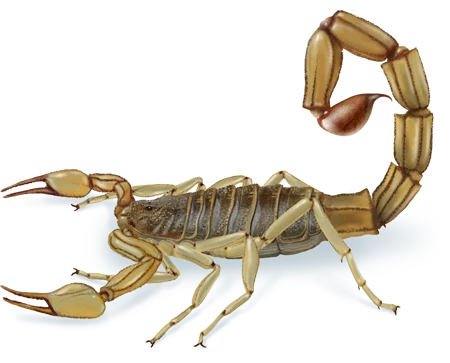
Scorpion

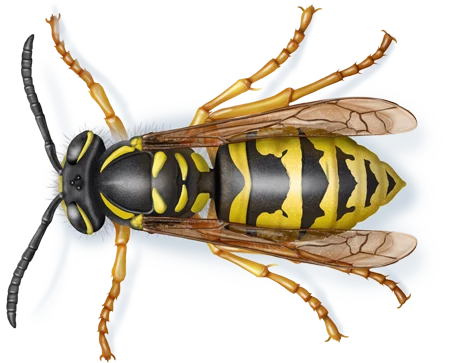
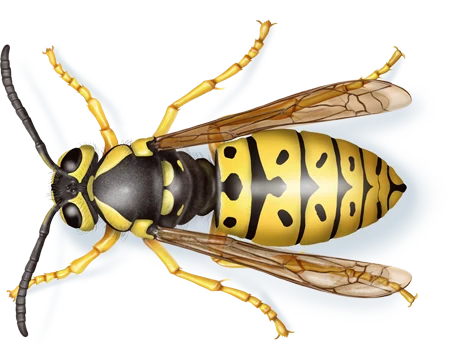
Wasp

Yellowjacket

Social Structure:

Many stinging pests, such as honeybees and certain species of wasps, exhibit complex social structures with distinct roles for workers, drones, and queens.

Pollination:

Despite their reputation as pests, some stinging insects, like bees, play a crucial role in pollinating flowers and crops, contributing to the ecosystem and agricultural productivity.

Multiple Stings:

Some stinging pests, like hornets and fire ants, can deliver multiple stings in quick succession, making their attacks more potent and painful.

Nesting Behavior:

Stinging pests have a variety of nesting behaviors, ranging from underground burrows (e.g., yellowjackets) to aerial nests (e.g., paper wasps) and even within human-made structures (e.g., honey bees).

Venom Composition:

The venom of stinging pests varies widely in chemical nature and potency. While some stings cause mild irritation, others can trigger severe allergic reactions or even be life-threatening.

Predatory Behavior:

Certain stinging pests, such as predatory wasps, actively hunt and consume other insects, making them beneficial for controlling pest populations in agricultural and natural ecosystems.

Pests that can be confused with stinging insects.

Seal entry points

Avoid nest disturbance

Cover food and beverages

Keep garbage sealed

Use insect repellent

Trim vegetation

People like us.
Pests don't.

4.72 Average | 45,000+ Reviews

Bryan A.

I could not be more pleased with our initial home treatment today! Vincent arrived on time and was extremely thorough in his explanation of the services he performed. He was very polite, respectful of our inside spaces, and had a great attitude throughout the visit. A++ professional! Thank you!

Kayla B.

Overall - very satisfied with communication and job done for my first time ever hiring pest control. Very knowledgeable and explains everything. Makes it very easy to maintain for a super busy family like ours.

Fox Guarantee: We Come Back for Free!

    What type of property do you need help with?

    Are you a current customer?


    By clicking the checkbox, I am providing my eSign signature and consent to Fox Pest Control contacting me at the number above for marketing purposes including through the use of automated technology, SMS/MMS messages, and prerecorded and/or artificial voice messages (including AI generated messaging).  I acknowledge my consent is not required to purchase and I can connect with Fox Pest Control without providing consent by calling 833-667-3785. Message frequency may vary, and message & data rates may apply. Reply 'STOP' to unsubscribe. Reply 'HELP' for help. I also agree to the Fox Pest Control Privacy Policy and Terms of Use.

    Fox Pest Control technician talking to female customer

    Stinging Insect FAQs

    Why do insects sting?

    Insects sting as a means of defense. When they feel threatened or sense danger, they use their stingers to protect themselves or their nest. Stinging can also be a way for insects to defend their territory or food sources. Additionally, some insects, like bees, may sting if they are accidentally stepped on as a response to the pressure or perceived threat.

    What stinging pests are aggressive?

    There are some stinging insects that are more aggressive than others, such as wasps and hornets. These more aggressive insects sting in defense of their nest or territory, even if they are not directly provoked. It’s important to be cautious around areas where these insects build their nests, such as under eaves, in bushes, or trees, so that you can avoid disturbing them to prevent stings.

    If you don’t want to deal with the threat of stinging insects near your home, call Fox Pest Control. Stinging pests are included in our Home Protection Plan, which means if you see pests between treatments, we’ll come back out and take care of them for free. That’s the Fox Satisfaction Guarantee!

    Is a scorpion an insect?

    No, a scorpion is not an insect. While scorpions and insects belong to the phylum Arthropoda, they belong to different classes. Scorpions belong to the class Arachnida, along with spiders, ticks, and mites, while insects belong to the class Insecta. Scorpions can be distinguished from insects by their body structure, which includes eight legs and a segmented body divided into two parts (cephalothorax and abdomen), as well as their lack of antennae.

    Luckily for you, scorpions, spiders, and common household insects are all included in our Home Protection Plan. That means you have year-round protection for your family. Call today!

    What should I do if I find a nest or hive of stinging pests?

    If you find a nest or hive of stinging pests, such as bees, wasps, or hornets, it’s important to avoid disturbing it. Back away slowly and do not attempt to swat at or agitate the insects. Contact a Fox Pest Control service to remove the nest or hive safely. Removing it yourself can be dangerous and provoke the insects, leading to stings. It’s best to leave the job to trained professionals with the equipment and expertise to handle the situation safely.

    How can I prevent stinging pests from building nests near my home?

    There are several steps you can take to prevent stinging pests from building nests near your home. First, keep outdoor areas clean and free of food debris, as stinging pests are attracted to food sources. Seal any cracks or openings in your home’s exterior to prevent pests from entering and building nests. Remove standing water from your property, as it can attract stinging pests looking for water sources. Additionally, trim vegetation and bushes near your home, as overgrown vegetation can provide hiding spots and nesting sites for stinging insects. Regularly inspect your property for signs of nests or hives and promptly remove them or contact a pest control professional for assistance. Finally, in addition to these preventive measures, call Fox Pest Control. Our Home Protection Plan gives you year-round pest protection for your family. Call today!

    Do DIY methods work to repel stinging insects?

    While there are natural and DIY methods to repel stinging pests, they are not an effective or long-lasting way to deal with them. Some plants, such as mint, basil, lavender, and marigolds, have scents that stinging insects dislike, so planting these around your home may help deter them. Although you can make homemade repellents using essential oils, unfortunately, these methods are not always effective and may give a false sense of security around stinging pests. Keeping outdoor areas clean and free of food debris can also help reduce the attractiveness of your property to stinging pests. It’s essential to use caution with DIY methods and ensure they are safe for use around pets and children. If you have a stinging pest problem, the best option is to leave it to the professionals at Fox Pest Control. We are experts at stinging pest control and are ready to protect your home and family!