Free Inspections & EstimatesSame Day Service

Get Stink Bug Control Near You

Don't let stink bugs make a stink!

Feel comfortable in your home. Let Fox Pest Control take care of your stink bug problem.

Same Day Service

Free Inspections & Estimates

Satisfaction Guaranteed

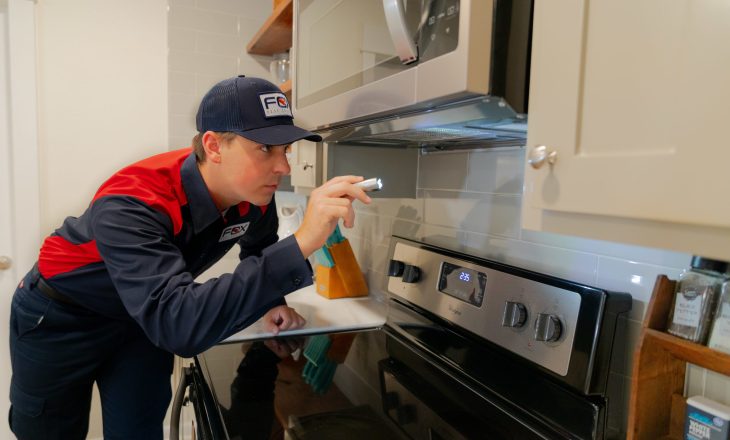
Fox Pest Control technician inspecting kitchen for pests

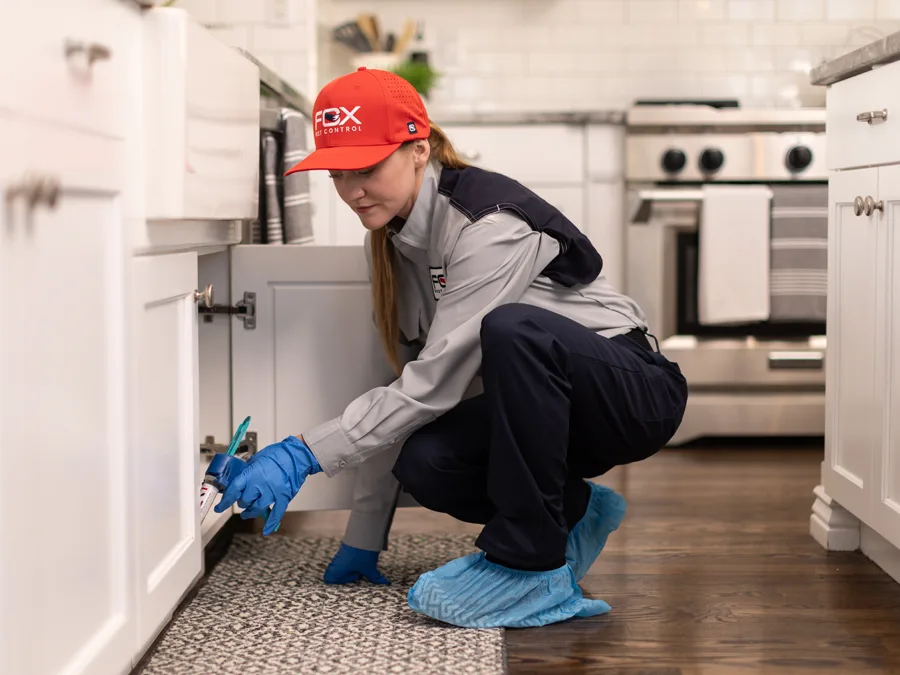
Fox techs are experts at evicting your tiny tenants.

To ensure our customers’ safety, all Fox Pest Control technicians undergo a thorough screening process and complete extensive classroom training, along with ongoing on-the-job mentoring with an experienced technician.

The easiest way to get rid of stink bugs.

Got a stink bug infestation? We’ve got you covered! At Fox Pest Control, we’re pros at stink bug control, especially when it comes to dealing with the brown marmorated stink bug—the most common type. Our stink bug exterminators know just how to handle these little guys and will provide a tailored solution to get rid of them for good. We’re so confident in our ability to handle your stink bug problems that we guarantee your satisfaction. If they come back, we’ll come back—free of charge! That’s the Fox Guarantee!

1

Schedule with Fox

Call Fox Pest Control today for a free inspection: (855) 953-1976.
Call before 2 pm and get same-day service.

Remote locations and other conditions may require next-day service.

2

Treatment

A certified technician will inspect your property and provide customized pest control treatment based on their findings.

3

Follow Up

Each service provides a detailed report and helpful tips to keep pests away. We return regularly throughout the year, increasing protection with every visit.

Hamilton Allen Ph.D., BCE

Certified Entomologist, Fox Pest Control

Stink Bug Facts


Size: ½ – ⅝ inch
Number of legs: 6
Wings: 2 pairs
Bites or stings: no
Color: marbled brown
Carry disease: no
Damages home/yard: no
Most active season: spring, summer & fall
Fox plan for this pest: Home Protection Plan

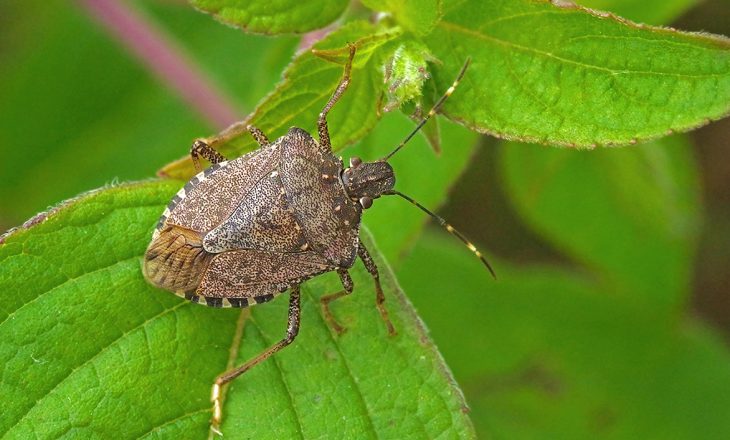
What do stink bugs look like?

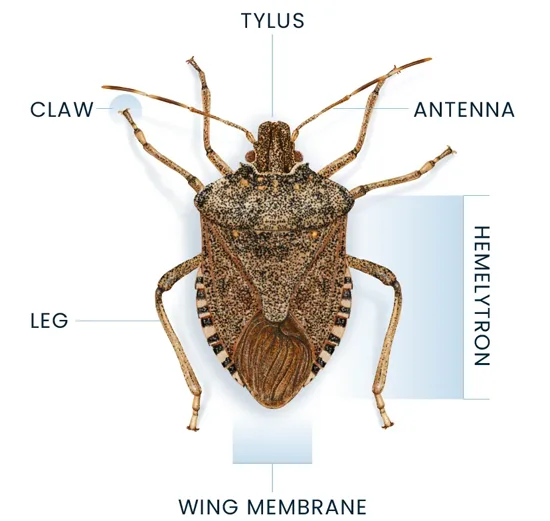
Stink Bug Anatomy Diagram

Stink bugs are insects with shield-shaped bodies that emit a foul smell when they’re disturbed.

They feed on plants, fruits, and crops, which can damage gardens and farms. Originally from Asia, they’ve become pests in places like North America and Europe. While they don’t hurt humans, they can be annoying when they come into homes seeking warmth, especially in winter.

Stink bugs undergo incomplete metamorphosis, with egg, nymph, and adult stages.

Female stink bugs lay clusters of eggs on the undersides of leaves, which hatch into nymphs that resemble smaller versions of adults. Nymphs go through several molts before reaching adulthood.

Stink bugs seek shelter indoors during the fall and winter months to escape the cold.

They may enter homes, attics, crawl spaces, or other structures in large numbers, clustering together to conserve heat.

Stink bugs have natural predators.

They include birds, spiders, parasitic wasps, and predatory insects, which help keep their populations in check.

A stink bug gets its name from the foul odor it emits when disturbed or crushed.

This is a defense mechanism against predators. In addition to their odor, stink bugs have chemical defenses that make them unpalatable to predators. They can secrete a noxious substance from specialized glands found on their thorax when threatened.

For detailed information on these odor-emitting insects, visit our Stink Bugs Pest Files—a helpful resource that explores their behavior, seasonal activity, and proven methods for prevention and control.

Pests that can be confused with stink bugs.

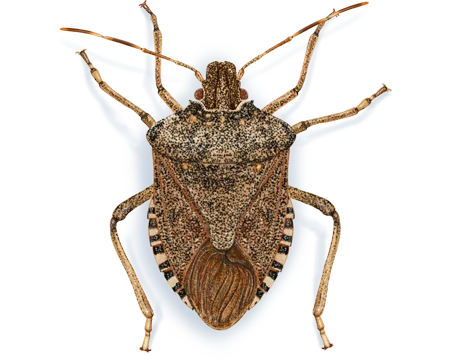
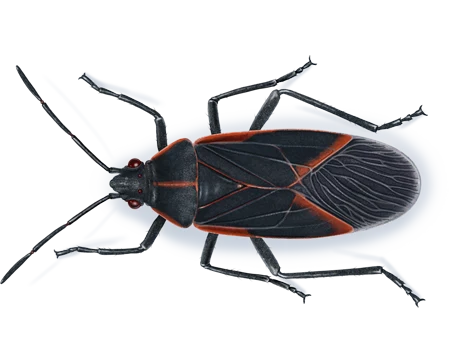
There are a few insects that are commonly found indoors and often get confused with stink bugs: Western Conifer Seed Bugs, Kissing Bugs, and Boxelder Bugs.

Stink Bug

Boxelder Bug

You might already know for sure that you have an stink bug problem. Here are a couple of the most common signs of stink bug infestation.

Seeing stink bugs indoors is a sure sign of a stink bug problem, especially when they are in large numbers. This is more common during the fall and winter months when they are seeking shelter. Stink bugs often gather in large clusters, especially on sunny exterior walls or windows, as they seek warmth.

Stink bugs emit a foul odor when disturbed or crushed. If you notice a strong, unpleasant smell in your home, it could be a sign of stink bugs.

Stink bugs feed on a variety of plants, causing damage to garden plants, ornamental plants, or agricultural crops.

Stink bugs can leave behind a sticky residue called honeydew when feeding on plants. You may notice a sticky film on leaves or surfaces near infested plants, indicating stink bug activity.

Seal entry points

Use screens on windows and doors

Vacuum indoors

Regular yard maintenance

Don’t overwater lawn or plants

Encourage natural predators

People like us.
Pests don't.

4.72 Average | 45,000+ Reviews

Bryan A.

I could not be more pleased with our initial home treatment today! Vincent arrived on time and was extremely thorough in his explanation of the services he performed. He was very polite, respectful of our inside spaces, and had a great attitude throughout the visit. A++ professional! Thank you!

Kayla B.

Overall - very satisfied with communication and job done for my first time ever hiring pest control. Very knowledgeable and explains everything. Makes it very easy to maintain for a super busy family like ours.

Fox Guarantee: We Come Back for Free!

    What type of property do you need help with?

    Are you a current customer?


    By clicking the checkbox, I am providing my eSign signature and consent to Fox Pest Control contacting me at the number above for marketing purposes including through the use of automated technology, SMS/MMS messages, and prerecorded and/or artificial voice messages (including AI generated messaging).  I acknowledge my consent is not required to purchase and I can connect with Fox Pest Control without providing consent by calling 833-667-3785. Message frequency may vary, and message & data rates may apply. Reply 'STOP' to unsubscribe. Reply 'HELP' for help. I also agree to the Fox Pest Control Privacy Policy and Terms of Use.

    Fox Pest Control technician talking to female customer

    Stink Bug FAQs

    What attracts stink bugs to my house?

    Stink bugs are attracted to warm, sheltered areas in search of protection from cold weather. They may be drawn to your house by sunlight, warmth, and small openings that provide indoor access. Combine the tips above with treatment from Fox Pest Control for complete protection from stink bugs!

    Do stink bugs bite?

    Most stink bugs don’t have the ability to bite or sting; instead, they rely on their distinctive odor as a defense mechanism. However, certain predatory species can pierce human skin with their mouth, and some plant-eating stink bugs might bite if handled, though it is rare.

    What do stink bugs eat?

    Most stink bugs feed on plants. During the spring, they often feed on weeds or grasses before migrating to fields, orchards, and residential areas as adults. In these environments, they feed on a variety of crops including apples, peaches, berries, peppers, beans, pecans, as well as field crops like sorghum and cotton. Stink bugs have also been seen feeding on ornamental plants around homes.

    Do stink bugs fly?

    Stink bugs can fly up to three miles per day when necessary. On the ground, their wings fold up on their backs, giving them a shield-like appearance. However, during flight, their wings help them use wind currents to travel longer distances.

    Where do brown maromated stink bugs come from?

    Stink bugs, originally from Eastern Asia, were introduced to the United States in the mid-1990s. Their native range includes countries like China, Japan, Korea, and Taiwan. In the U.S., they were first collected in Allentown, PA, in 1996 but weren’t recognized until 2001. Since then, they’ve spread east to New Jersey, then Virginia by 2004, and now southward to the North Carolina border. Although most prevalent in the mid-Atlantic region, they have been found in 44 states and the District of Columbia. Stink bugs are considered invasive pests and can be a nuisance to homeowners. They may enter homes seeking shelter during the fall and winter months, especially in colder climates.