From gardens to bathrooms, earwigs have always captured human attention and imagination, often inspiring more fear than fascination. These slender insects, with their signature pincers, have spurred plenty of myths and misconceptions over the years. Little did we know that there’s a lot more to earwigs than meets the eye. Let’s dive into their world and uncover some surprising truths about these often misunderstood critters. Check out our Earwig pest control services page to learn more on how Fox Pest Contol can help.
What Do Earwigs Look Like?
What in the World Are Earwigs?
Earwigs are insects with over 2,000 species worldwide. The name “earwig” comes from Old English and reflects an old myth that they crawl into people’s ears. Don’t worry—this is completely not true! While their love for small, dark spaces might inspire this idea, they’re not out to make a home in your ear canal. Earwigs might not be as famous as mosquitoes or ants, but they certainly have an interesting place in the insect kingdom!

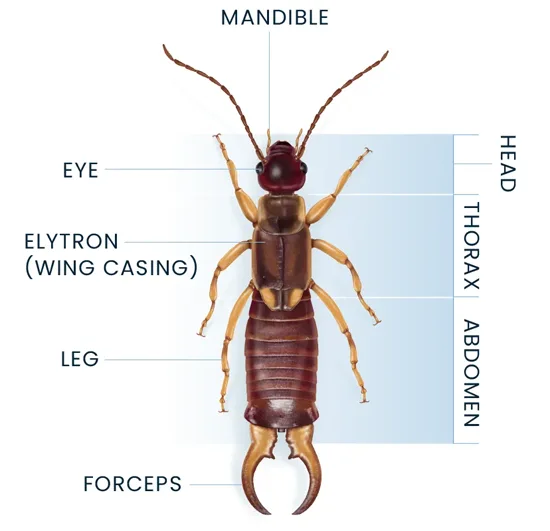
Earwigs are small, funny-looking pests, and they’re packed with fascinating features! These critters range in size from a mere 5 millimeters to a whopping 25 millimeters long—tiny enough to tuck into tight spaces but big enough to catch your attention. Their color palette leans toward the dark side, with shades of reddish-brown to black giving them a sleek, moody vibe. But what really steals the show are their pincers. Those forceps at the end of their bodies might look like props from a sci-fi movie, but they’re totally functional. Earwigs use them for all sorts of tasks, from fending off predators to flirting with potential mates, and even snagging a meal.
Oh, and did you know earwigs have wings? Yup, these insects are technically fliers, though they’re not exactly frequent fliers—they’d much rather stay grounded. One more cool thing about earwigs is that their flexibility is almost gymnast-level impressive. With bodies that can bend and twist like contortionists, earwigs can easily wiggle their way into the coziest nooks and crannies. Who knew such a tiny insect could have so much going on?
Earwigs Have Been Around for a Really, Really Long Time…
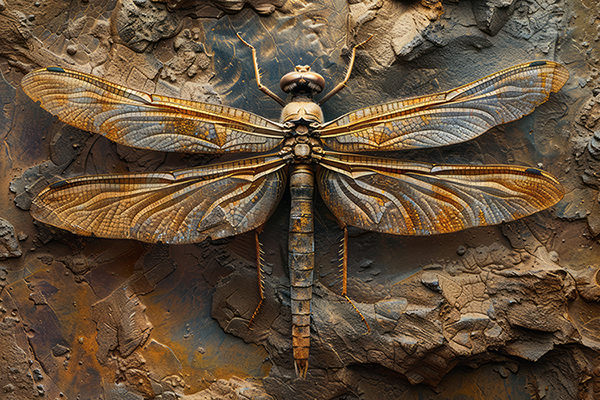
Earwigs are ancient creatures that have been scuttling around for over 200 million years—yep, they go way back to the Jurassic period! That means they were sharing the planet with dinosaurs, making them true survivors of Earth’s history. Their long evolutionary journey is a testament to their adaptability and resilience.
Fossil evidence shows that ancient earwigs were similar in many ways to their modern counterparts, although some species back then were much larger. Over time, they’ve perfected their pincers, developed their unique wing-folding skills, and become masters of survival in various habitats. Today, they’re still thriving, adapting to environments ranging from tropical rainforests to temperate gardens. These little guys have truly earned their place as one of nature’s most enduring success stories!
Do Earwigs Bite, Sting, Damage Property, or Spread Disease?

Here’s some good news for you: earwigs don’t bite or sting humans. Their pincers, which are more for defense and fighting other earwigs, are not dangerous to people. While their pincers might pinch if handled, it’s harmless and doesn’t break the skin.
Even though they aren’t known for causing massive damage, earwigs can be a problem for your garden. They feed on plants, fruits, and flowers, sometimes leaving behind unsightly holes or damage. They’re also known to feed on decaying organic matter, which can lead to rotting areas in gardens if not properly maintained.
Earwigs don’t carry diseases that affect humans. However, they can contribute to unsanitary conditions in areas where food is present, like kitchens and pantries. But don’t worry—these pests aren’t dangerous to your health.
Life Cycle of Earwigs
The earwig life cycle typically lasts about one year, but this can vary slightly depending on the species and environmental conditions. Here’s how their journey unfolds:

- It All Starts with an Egg...Earwig eggs are laid by the female in the soil or in decaying plant material. A single female can lay anywhere from 20 to 80 eggs at a time. These eggs hatch in about a week or two, depending on the temperature.
- From Egg to Nymph: The baby earwigs, called nymphs, look similar to adult earwigs, but they’re much smaller and don’t have fully developed wings or pincers. Nymphs molt several times as they grow, shedding their exoskeletons to make room for new, larger ones.
- Metamorphosis to Adult: Earwigs go through incomplete metamorphosis, meaning they don’t undergo a full pupal stage like butterflies. Instead, after a few molts, they become full-grown adults. The adults are fully equipped with functional wings (although they don’t fly often) and large pincers used for protection and hunting.
Earwigs’ ability to survive and thrive in diverse conditions is a big part of what makes them such successful survivors, even if they only get one year to make their mark!
The Role of Adult Earwigs
Earwig adults take on some fascinating roles, and their behavior offers a unique glimpse into insect social dynamics. Unlike many bugs that abandon their young or compete relentlessly for resources, earwig adults have a more nuanced division of labor—and it’s all driven by survival and reproduction.
The Role of Females: Super Moms of the Bug World
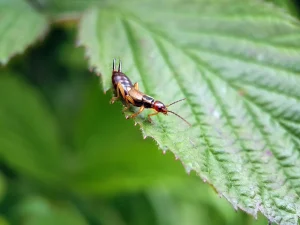
Earwig moms aren’t just good parents—they’re some of the best in the entire insect world, which is a pretty big deal! Most insects lay their eggs and never look back, leaving their young to fend for themselves. Not earwig moms. These devoted caretakers stick around long after the eggs have hatched. These devoted mamas go above and beyond to care for their little ones, taking on the role of protector and guarding their nests from predators and environmental threats. Earwig moms even regurgitate food to feed their young—talk about dedication! And if any predators come sniffing around, these fierce mothers won’t hesitate to defend their kiddos. Who knew such a small bug could pack such big parenting skills punch? It’s like they took a page straight out of a parenting manual!
One more cool earwig-mom fact: research shows that earwig moms can even recognize their offspring’s chemical signatures and adjust their care to match environmental conditions. Earwig mamas are amazing!
Have a earwig problem that needs fixing?
The Role of Males: The Gladiators of the Earwig World
And what about the male earwigs? Well, they’re not exactly the “hands-on” type. Once the eggs hatch, they’re out of there, leaving the females to handle the tough job of parenting. They’re off doing their own thing—probably trying to show off those impressive pincers.
See, for males, it’s all about competition. Those pincers aren’t just for show—they’re basically built-in battle gear. Male earwigs get into dramatic “wrestling matches,” using their pincers to grab and pin down rivals in a battle for mates. It’s like a bug version of WWE! And it turns out, the bigger and more symmetrical the pincers, the better the chance of winning these duels. So, it’s no surprise that males with flashy pincers are often the ones scoring the mate. Kind of like stag beetles, who also use their oversized mandibles to duke it out for dominance.
What Males and Females Share: Teamwork in Survival
Despite their distinct roles, both male and female earwigs share a common goal: survival. They work together to maintain territories, often sheltering in the same dark, moist environments that provide safety and food. Both sexes feed on decaying organic matter, plant material, and small insects, which helps sustain the ecosystem they inhabit. This cooperation is quite different from many insect species, where males and females tend to live separate lives after mating. For earwigs, sharing resources and space increases their chances of survival and reproduction, making their teamwork surprisingly effective.
Earwig adults may not form complex colonies like ants or bees, but their individual and shared roles show a remarkable balance between competition, care, and cooperation—a combination that makes them stand out in the insect world!
Earwigs in Your Garden: Friends or Foes?
Are earwigs good for your garden? The answer: It really depends!
The Good
Let’s start with the positives. Earwigs are actually quite helpful in the garden. First, they’re natural predators of pests like aphids, mites, and other small insects that can damage your plants. So, in a way, they’re the garden’s unsung heroes, keeping the bad bugs at bay.
They also act like little composters. By munching on decaying plant material, earwigs help break it down, turning it into nutrients that enrich the soil. In fact, they’re one of nature’s cleanup crew, doing the dirty work of decomposition.
And don’t forget about their burrowing habits. When earwigs dig into the soil, they naturally aerate it, allowing air and water to reach plant roots more efficiently. That’s good news for your garden, as it helps your plants thrive by improving the overall soil structure.

The Bad
But it’s not all sunshine and rainbows with these little critters. While they might take care of your garden pests, they can also become pests themselves. Earwigs have a taste for your flowers, especially the delicate petals and tender, soft fruits. If you’ve got a prized blossom or a few juicy strawberries you’re hoping to harvest, earwigs might have other plans.
Young seedlings, in particular, are vulnerable to their appetites. They can nibble away at the tender shoots, stunting their growth or even killing them. So, if you’re growing a garden full of fresh sprouts, earwigs might not be the best neighbors.
On Balance
In the grand scheme of things, earwigs are more friend than foe. They can do a lot of good by keeping pests under control, improving soil health, and helping with plant decomposition. But if they’re eating your flowers or seedlings, they might need to be managed. With a little balance, you can enjoy the benefits of earwigs without the downside.
Earwigs and the Ecosystem
Earwigs play a key role in many ecosystems. They’re both predators and prey, keeping pest populations in check while feeding birds, frogs, and other animals. Their adaptability has allowed them to thrive almost everywhere—except Antarctica.
Earwigs: Mistaken Identities in the Insect World
Earwigs often get mistaken for a few other critters, but don’t be fooled—they have some unique features that make them stand out from the crowd!
The Lookalikes:
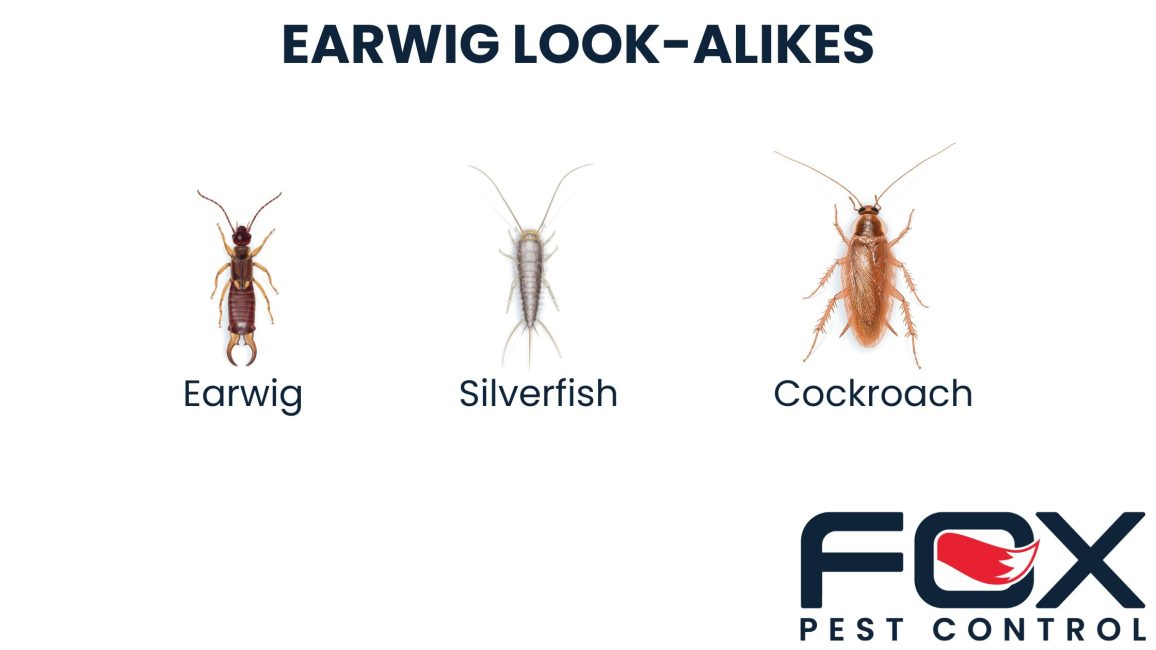
Silverfish: These insects are often confused with earwigs because of their similar size and shape. Both insects are small and have elongated bodies, but there’s a major giveaway: silverfish don’t have pincers! Instead, they have three tail-like appendages at the back. While silverfish scuttle quickly, earwigs tend to move a bit slower and are usually seen with their pincers clearly visible.
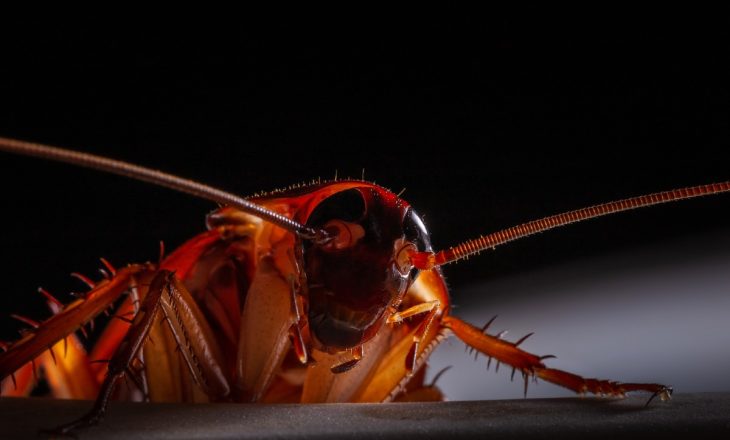
Cockroaches: People sometimes mistake earwigs for cockroaches, especially the dark-colored varieties. Cockroaches have flat bodies, while earwigs are more cylindrical. The real dead giveaway, however, is the earwig’s pincers (called cerci). Cockroaches don’t have these pincers, and they also tend to be much faster movers.
Other Insects with Pincers: Some insects like certain types of beetles or ants may share a similar “pinched” look, but earwigs have a unique, curved pincer at the end of their abdomen. While other insects might have pincers or mandibles, earwig pincers are distinctive for their size, shape, and the way they curve upward like a pair of miniature forceps.
Have a earwig problem that needs fixing?
What Makes Earwigs Stand Out:
- The Pincers (Cerci): The most distinguishing feature of earwigs is undoubtedly their pincers. If you spot an insect with two symmetrical, curved pincers, chances are you’ve found an earwig.
- Body Shape and Size: Earwigs have a long, cylindrical body that tapers toward the rear. Unlike some other insects that have more rounded or flat bodies, earwigs tend to look a little more streamlined. They also have relatively long legs, which help them move quickly when they’re not burrowing.
- Coloration: Most earwigs are reddish-brown or dark brown, which can make them blend in with the environment, but their distinct body shape and pincers still set them apart from lookalikes.
So, while earwigs might get mistaken for a few other bugs, their signature pincers and body shape make them easy to identify once you know what to look for.
Behavior, Diet, and Living Conditions of Earwigs
Nesting habits of earwigs
Earwigs love damp, sheltered spots where they can stay cool and moist. Outdoors, you’ll find them hiding under rocks, mulch, or piles of leaves, which offer the perfect mix of moisture and cover. Indoors, they prefer dark, hidden places like behind furniture, in cracks, or in basements and attics—especially in areas with higher humidity.
Why the damp?
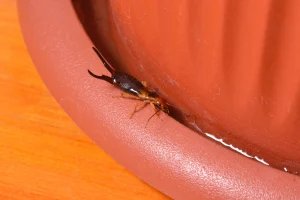
The preference for moisture is not just a matter of comfort for earwigs; it’s a necessity. These insects are prone to dehydration, and a moist environment helps them maintain the right level of humidity to survive. Without access to moisture, they could easily dry out and die. This is why you often find them in areas like bathrooms, under sinks, or near water sources indoors.
In addition to moisture, earwigs need shelter to protect themselves and their young. Female earwigs will often lay their eggs in these hidden spots, and they will stay nearby to guard them until they hatch. Once the young earwigs emerge, they stay close to the nesting area while the mother continues to care for them, ensuring they have the protection and moisture they need to thrive.
How Do Earwigs Communicate?
Earwigs communicate with each other using a variety of methods, primarily relying on chemical signals and body language to get their messages across. Here’s how it works:
- Pheromones: Earwigs chat chemically! They release pheromones to attract mates, claim turf, or warn others of danger. Females use them to woo, and males use them to flex or keep rivals at bay.
- Tactile Talk: Earwigs are touchy-feely. They nudge with their antennae or even wrestle with their pincers, especially during mating rituals. Think of it as their version of a friendly (or flirty) tap.
- Pincer Posturing: Those iconic pincers? They’re not just for show. Males flash them like gym poses, using dramatic displays or duels to prove they’re the real deal.
- Subtle Sounds: While not big talkers, some earwigs might scrape or click now and then. It’s not exactly a symphony, but it gets the job done.
Turns out, earwigs have a lot to say—you just have to know how to listen (or look)!
What Do Earwigs Eat and How Do They Find It?
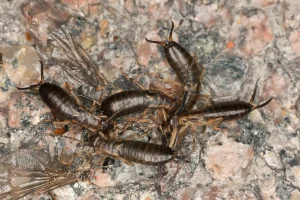
Earwigs are opportunistic omnivores, meaning they’ll chow down on just about anything they stumble across. Their menu includes plants, fruits, vegetables, dead insects, and decaying organic matter. In your garden, they might nibble on your flowers or crops, but they also help clean up by feasting on dead bugs and decomposing material.
As scavengers, earwigs don’t hunt their food; instead, they roam around at night, ready to grab whatever’s nearby—sometimes using their pincers for an assist. While they’re great at tidying up decaying matter, they’ll happily snack on your garden goodies if food is scarce, so keep an eye on those prized plants!
Debunking Earwig Myths
Earwigs may not win any beauty contests, but their unique features and ancient survival skills make them endlessly fascinating. Here are a few misconceptions about these little creatures:
Myth 1: Earwigs crawl into ears
Nope! Despite the creepy name, earwigs aren’t interested in your ears. That’s totally a case of bad PR mixed with a creepy name. The word “earwig” comes from Old English—ēare (ear) and wicga (insect)—which literally translates to “ear bug.” Back in the day, folks believed these little guys would crawl into their ears, burrow into their brains, and wreak havoc. Spoiler alert: they don’t.
So, why the freaky reputation? Probably because earwigs have long, slim bodies that look like they could wiggle into tight spaces, and those pincers don’t exactly scream “cuddle buddy.” Add in their habit of being active at night, and voilà—you’ve got yourself a legend perfect for campfire tales.
In reality, earwigs couldn’t care less about your ears. Sure, one might accidentally wander in (as could any bug), but they’d much rather hang out under a damp rock than inside your head. Your ears are safe from these misunderstood little critters!
Myth 2: Their pincers are dangerous
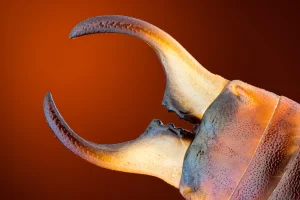
Those pincers look fierce, but they’re harmless to humans. At worst, you might feel a tiny pinch if an earwig feels threatened, but they’re more bark than bite.
So, what’s the takeaway? Earwigs are misunderstood little bugs with a reputation they don’t deserve. Sure, they’ve got a spooky name and some intimidating pincers, but they’re not out to invade your ears or pick a fight with you. In fact, they’re more interested in munching on garden pests or hiding under damp rocks than causing any trouble.
Have a earwig problem that needs fixing?
Signs of an Earwig Infestation
Wondering if you’ve got earwigs in your home or garden? Here are some signs to look for:
- Visible Earwigs: If you spot earwigs crawling around your house or garden, it’s a clear sign that you’ve got an infestation. Keep an eye out for these little critters, especially during the evening or night when they are most active.
- Chewed Plants: If your plants have small holes or are wilting, earwigs might be the culprits. They love to snack on fruits and vegetables.
- Dark, Damp Areas: Earwigs love damp, dark areas. If you have areas in your home that are musty or wet, these spots are attractive to earwigs.
- Earwig Droppings: If you notice dark, crumbly droppings around your home or garden, it could be a sign of earwig activity.
What You Can Do About Earwigs
So, you saw the signs, and you know you’ve got earwigs. Or you don’t see any signs but want to make sure you don’t have a neon sign advertising a vacancy for them to move in. We have some great tips to help make your home less inviting to these sneaky insects.
- Seal Cracks and Gaps: Earwigs are excellent at sneaking into homes. Seal any cracks or gaps around windows, doors, or foundation to keep them from entering.
- Reduce Moisture: Since earwigs are attracted to moisture, fixing any leaks and reducing humidity in your home can help keep them away.
- Clean Regularly: Regularly clean your home, especially dark and damp areas, to discourage earwigs from taking up residence.
- Use Traps: Set up sticky traps in areas where earwigs are commonly spotted. This can help reduce the population inside your home.
If you’ve tried all the things and still have an earwig problem, it might be time to call in the professionals. At Fox Pest Control, we know all about earwigs and how to get rid of them. Our experts are trained to deal with infestations and prevent future ones.
With our Home Protection Plan, you’ll get year-round protection from earwigs and other common household pests. We’ll inspect your home for potential entry points and seal areas that might be inviting earwigs in. Trust Fox to provide you with peace of mind when it comes to controlling earwigs in your home.
Give us a call today to schedule a consultation!