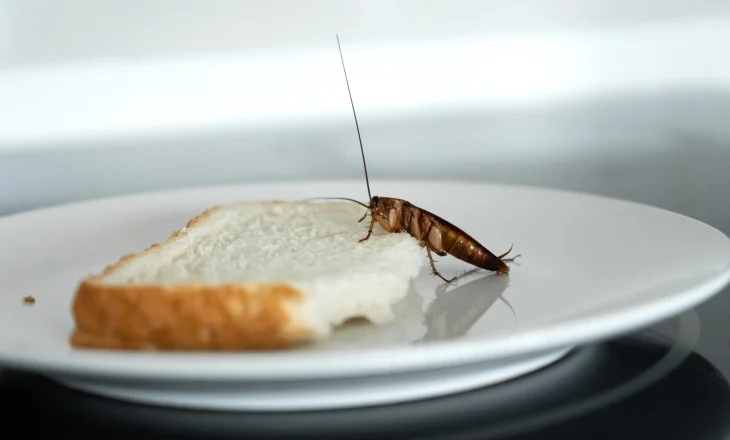
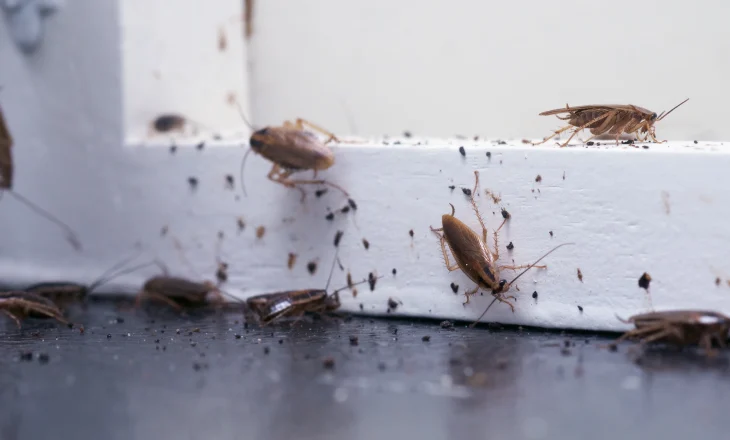
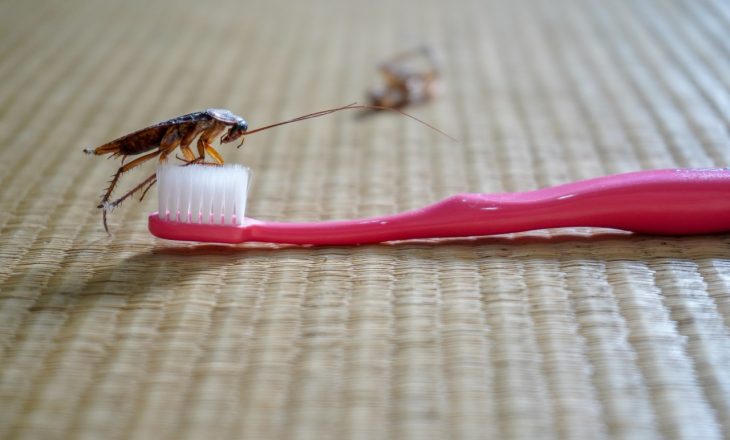
If you’ve spotted a big, shiny black bug scurrying around your basement or bathroom, chances are you’ve met an Oriental cockroach. These roaches are often called “water bugs” thanks to their love of damp places, but don’t let the nickname fool you—they’re true cockroaches. Slower and less adventurous than some of their cousins, Oriental cockroaches still manage to cause big problems when they move in.
Let’s take a closer look at what they are, how to spot them, and—most importantly—how to get rid of Oriental cockroaches.
What Is an Oriental Cockroach?
In short, Oriental cockroaches are sturdy, moisture-loving scavengers that often lurk in the lowest, wettest parts of a home or building—making them a unique challenge to eliminate. Let’s learn more about these creepy little pests.
Where Do Oriental Cockroaches Come From?
Despite the name, Oriental cockroaches didn’t actually come from the Orient. They likely arrived in North America centuries ago on trade ships from Russia or North Africa, hitchhiking their way around the globe centuries ago. Today, they’re found all over the world, especially in areas with mild, wet climates. These scavengers thrive in damp, dark environments, which makes basements, crawlspaces, and even sewer systems their favorite hangouts.
Appearance, Size, and Where They Are Found
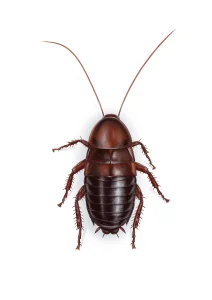
What do Oriental cockroaches look like?
These roaches are easy to spot. They have shiny black or dark reddish-brown bodies that make them look almost beetle-like.
- Size: Adults grow to about 1–1.25 inches long.
- Wings: Males have wings that cover about three-quarters of their bodies, while females have tiny, non-functional wings. Can Oriental cockroaches fly? Nope—despite having wings, neither males nor females can take off.
- Nymphs: Baby Oriental cockroaches (nymphs) are smaller, wingless, and lighter in color at first, darkening as they grow.
True to their nickname “water bugs,” Oriental cockroaches love damp, cool places. Unlike other roaches, they’re not great climbers, so they stick close to the ground. Oriental cockroaches often travel through plumbing pipes inside homes and gather near garbage cans outside, thriving in temperatures between 68 and 84 degrees. They’re more active in spring and summer, and adults are most common during these seasons.
If there gets to be too many of them, overcrowding can push them to migrate to a new, less crowded place. They’re less active indoors than species like German or American cockroaches, but when they do come inside, it’s usually in search of moisture.
What do Oriental Cockroaches Eat?
These roaches aren’t picky eaters. They’ll feed on anything from garbage and decaying organic matter to food crumbs and pet food. They’re scavengers, drawn to moist and decaying environments where food is easy to get to.
Mistaken Identity
Oriental cockroaches are sometimes confused with other insects because of their dark color and shape. People often mix them up with American cockroaches, but the American ones are bigger and have longer wings. Oriental cockroaches can’t fly and have shorter wings.
They might also be mistaken for water bugs, which are larger and have a more pointed body, but they both like wet areas. Finally, some beetles look similar too, but they’re usually smaller and don’t have the same long antennae or fast movement as cockroaches.

Oriental Cockroach vs. Other Roaches
It’s easy to confuse Oriental cockroaches with other pests:
- Oriental cockroach vs. German cockroach: Germans are much smaller (½–⅝ inch), tan with stripes, and prefer kitchens and warm spots.
- Oriental cockroach vs. American cockroach: Americans are larger (up to 2 inches) and reddish-brown, with longer wings.
- Oriental cockroach vs. water bug: True water bugs are aquatic insects, bigger than roaches, and shaped differently—but both like wet areas.
The Oriental Cockroach Life Cycle
The Oriental cockroach takes its time growing up compared to some of its roach relatives, but its steady reproduction makes it a persistent pest once it’s established.
- Egg cases (oothecae): Female Oriental cockroaches produce small, dark egg capsules containing about 16 eggs each and typically create up to 8 capsules in their lifetime—adding up to well over 100 offspring if left undisturbed. These oothecae are often tucked away in damp, hidden spots like crawlspaces, basements, and under debris, where they’re protected from predators and drying out.
- Nymphs (baby Oriental cockroaches): When the eggs hatch (usually in about 2 months), the baby Oriental cockroaches emerge. These nymphs are smaller, wingless, and lighter in color than adults. Over the next 6–12 months, they’ll go through 7–10 molts, shedding their exoskeletons as they grow larger and darker with each stage until they reach adulthood. (Keyword: Oriental cockroach nymph)
- Adults: Once fully grown, Oriental cockroaches live for around 6 months, giving them plenty of time to breed and expand the infestation.
Environment matters: Like most roaches, temperature and humidity make a huge difference. In warm, damp environments (like basements, sewers, and drains), they develop faster and breed more successfully. In cooler or drier conditions, their growth slows down, but they can still survive long periods by hiding out in protected areas.
Bottom line: Oriental cockroaches may grow slowly, but they make up for it with steady reproduction and the ability to thrive in damp, hidden environments. Left unchecked, they can establish large, hard-to-eliminate infestations.
Have a oriental cockroach problem that needs fixing?
Signs of an Oriental Cockroach Infestation
How do you know if you’re dealing with these pests? Look for:
- Droppings: Small, dark, and similar to coffee grounds. (Oriental cockroach droppings can contaminate surfaces.)
- Egg cases: Capsule-shaped and usually found in hidden, damp spots.
- Shed skins: Roaches shed multiple times as they grow, leaving papery exoskeletons behind.
- Smell: A strong, musty odor may develop when infestations grow large.
Are Oriental Cockroaches Dangerous?
So, are Oriental cockroaches bad? Unfortunately, yes. Oriental cockroaches aren’t just a nuisance—they can pose health risks, too.
- Bacteria spreaders: They travel through sewers, garbage, and drains, picking up harmful germs like Salmonella and E. coli.
- Allergy triggers: Their droppings, saliva, and shed skins can worsen allergies and asthma, especially in children.
- Food contamination: They’ll scavenge anything, including decaying matter, pet food, and crumbs in your kitchen.
Oriental cockroaches might not be as bold or fast as some other species, but their love for damp, dark spots makes them a potential problem in any home or building. Keeping your space dry, clean, and sealed up tight is key to keeping these shiny scavengers at bay!
How to Get Rid of Oriental Cockroaches
If you’ve spotted one, there’s a good chance more are hiding out. Here’s what you can do:
- Eliminate moisture: Fix leaks, use dehumidifiers, and keep areas dry.
- Seal entry points: Close up gaps around pipes, vents, and doors.
- Declutter & clean: Remove garbage quickly, keep food sealed, and vacuum often.
Pro tip: If you’re dealing with a serious Oriental cockroach infestation, it’s best to bring in experts. While home remedies might keep them at bay, a professional treatment from Fox Pest Control is the most reliable way to get rid of Oriental cockroaches.These pests are stubborn, and professional cockroach treatment can stop them at the source.
Bottom Line
Whether you call them Oriental cockroaches, water bugs, or just plain gross, they don’t belong in your home. They’re slow, sneaky, and love damp spaces—but you don’t have to put up with them.
See signs of Oriental cockroaches? Call Fox Pest Control today. We’ll help you get them out—and keep them out—so you can take back your space.