Ever spotted a large, reddish-brown cockroach with yellow markings on its wings? If so, you may have encountered the Australian cockroach — one of the most common roaches found in warm, humid areas worldwide. Despite their name, these pests aren’t exclusive to Australia. They’ve traveled far and wide, thriving in tropical and subtropical regions, including parts of the U.S., Asia, and the Caribbean.
Let’s break down everything you need to know: how to identify them, their life cycle, signs of an Australian cockroach infestation, and most importantly — how to get rid of Australian cockroaches.
What Is an Australian Cockroach?
The Australian cockroach (Periplaneta australasiae) is often called a “shad roach.” While many people assume they originated in Australia, researchers now believe they actually came from Africa and spread through global trade. Today, they’re a common household pest in warm, humid environments.
Australian cockroaches are nocturnal, meaning they spend their days hiding in dark, tight spaces and come out at night to forage. They prefer damp, cluttered environments with easy access to food and water, which is why they’re often found in kitchens, bathrooms, and basements.
Where did Australian Cockroaches Come From?
It was previously thought Australian cockroaches originally came from Australia, but now scientists think they came from Africa by hitching a ride on ships carrying slaves. These days, they’ve spread to many warm places around the world, like the U.S., the Caribbean, and parts of Asia. They likely traveled with people through trade and travel, making them a common pest in tropical and subtropical areas.
Appearance, Size, and Where They Are Found
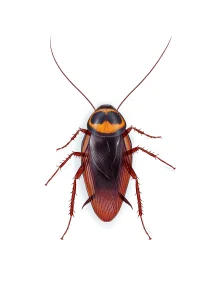
Australian cockroaches are often mistaken for their American cousins, but there are a few key differences:
- Size: Around 1.25–1.5 inches long, making them slightly smaller than American cockroaches.
- Color: Reddish-brown with bright yellow markings on their wings and the area behind their heads (thorax).
- Wings & Flight: They have fully developed wings and can fly short distances (though they usually prefer running).
- Antennae: Long and highly sensitive for detecting food and navigating in the dark.
Where they live: These cockroaches love warm, humid places, so you’ll often find them in kitchens, bathrooms, and basements—especially in tropical or subtropical regions. They’re mostly active at night and like to hide in dark, damp spots during the day. If you’re in a warm climate, Australian cockroaches can also be found outdoors, around gardens, garbage piles, or under mulch.
If you live in a tropical or subtropical area, your chances of spotting them are even higher.
What Do Australian Cockroaches Eat?
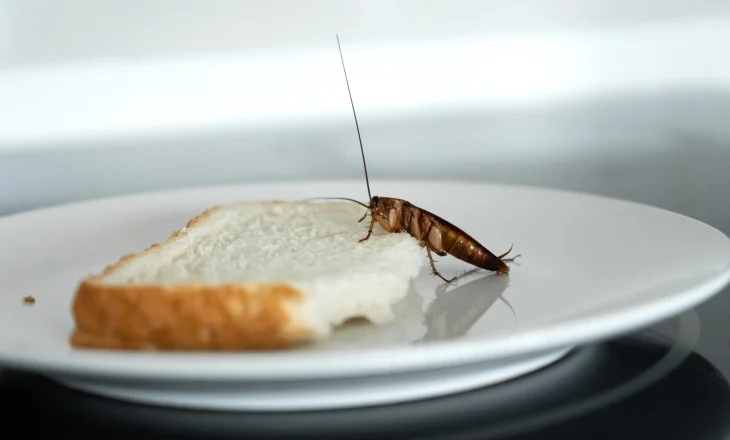
Australian cockroaches are omnivores, meaning they’ll eat just about anything! They prefer things like food scraps, decaying organic matter, and plants. They’re especially attracted to sugary or starchy foods, so they might hang out in your kitchen or pantry if there’s a food source. Like other cockroaches, they need water to survive, so they’ll also be drawn to leaky pipes or standing water.
Mistaken Identity
As we mentioned before, Australian cockroaches are often confused with American cockroaches because they look similar. They’re both large, reddish-brown, and fast movers, but Australian cockroaches have yellow markings on their wings that American cockroaches lack.
Australian roaches are also frequently mistaken for water bugs.

Understanding the Australian Cockroach Life Cycle
Knowing how they reproduce can help you protect against an infestation. The Australian cockroach life cycle involves three main stages: egg, nymph, and adult.
- Eggs: Females produce oothecae (egg cases) holding about 24 eggs each. These are often hidden in dark, protected areas.
- Nymphs: Australian cockroach nymphs hatch in about 2 months and resemble smaller, wingless adults. They molt several times before reaching maturity.
- Adults: It takes 6–12 months for a nymph to become a fully grown adult. Adults can live 1–2 years, giving them plenty of time to reproduce and grow their population.
Females can lay multiple egg cases in their lifetime, leading to fast population growth in the right conditions.
Signs of an Australian Cockroach Infestation
How can you tell if you’re dealing with Australian cockroaches? Look for:
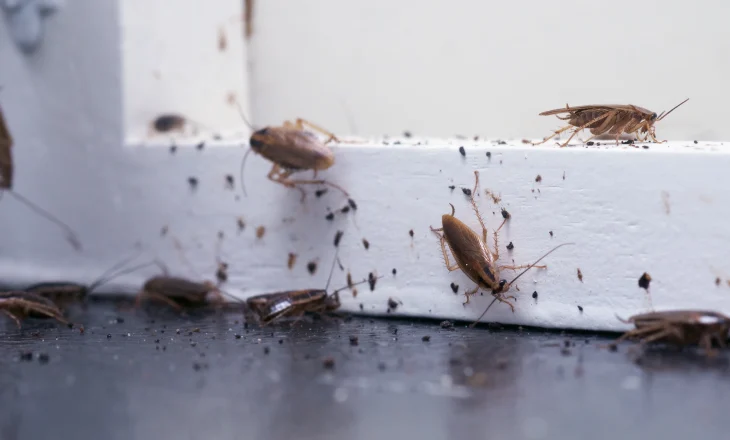
- Droppings: Small, dark, and often found along baseboards, inside cabinets, or near food sources.
- Shed skins: As they grow, nymphs shed their exoskeletons, leaving behind pale, papery skins.
- Egg cases: The oothecae are brown and often tucked into tight, hidden spaces.
- Musty odor: Large infestations can produce a strong, unpleasant smell.
- Sightings at night: These roaches are nocturnal, so seeing one during the day could signal a bigger problem.
Have an australian cockroach problem that needs fixing?
Are Australian Cockroaches Dangerous?
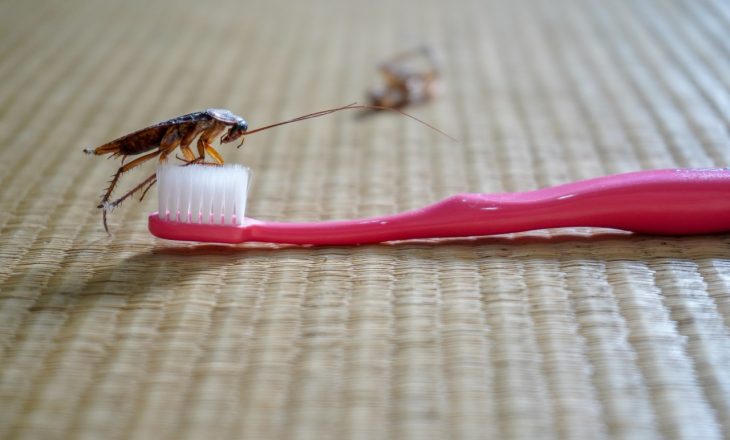
While Australian cockroaches aren’t known for biting, they can still cause problems. Like other cockroaches, they can carry germs and spread diseases like Salmonella and E. coli by contaminating food or surfaces. They can also trigger allergies or asthma, especially in kids. So, even though they’re not dangerous in the traditional sense, it’s still a good idea to keep them out of your home!
In short, Australian cockroaches are tough pests that thrive in warm, humid areas. They can be a bit tricky to get rid of, but keeping your home clean and sealing up entry points can help keep them away!
How to Get Rid of Australian Cockroaches
If you’ve spotted even one of these pests, act fast — because where there’s one, there are usually more. While DIY methods like traps and sprays might reduce their numbers, professional treatment by Fox Pest Control is by far the quickest and most effective to get rid of them.
That said, there’s plenty you can do to help keep them under control and make your home less welcoming to these unwelcome guests:
- Seal cracks and gaps around doors, windows, and pipes.
- Store food in airtight containers.
- Fix leaky pipes and eliminate standing water.
- Keep your kitchen and storage areas clean and clutter-free.
Bottom line: Pairing these steps with professional help from Fox Pest Control gives you the best shot at kicking American cockroaches and keeping them from coming back.
Australian Cockroach FAQs
Do Australian cockroaches fly? Yes, but only for short distances. They prefer running over flying.
What’s the difference between Australian and American cockroaches? Australian cockroaches are slightly smaller and have distinct yellow markings on their wings, while American cockroaches do not.
What about Australian giant burrowing or hissing cockroaches? These are different species. The Australian giant burrowing cockroach (Macropanesthia rhinoceros) and Australian hissing cockroach are large, non-pest roaches found in Australia. Unlike the Periplaneta australasiae, they don’t infest homes.
How do I know if I have an infestation? Look for droppings, egg cases, and shed skins, and pay attention to any musty odors or frequent sightings at night.
Bottom line: The Australian cockroach is a hardy, fast-breeding pest that thrives in warm, humid spaces. If you suspect an infestation, the quickest way to protect your home (and your health) is to call Fox Pest Control for treatment.