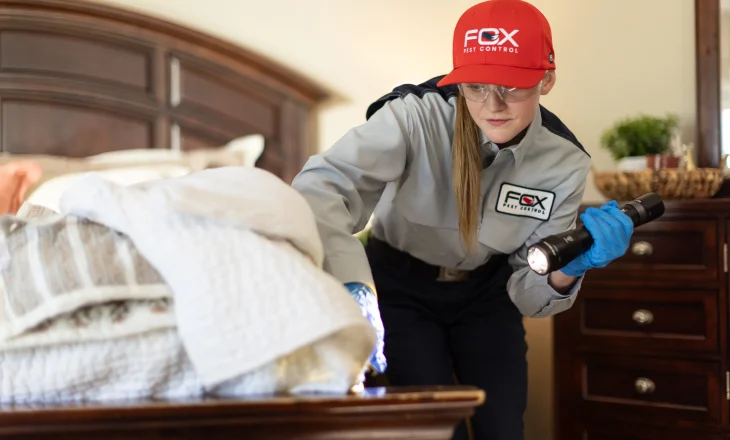
Welcome to Fox Pest Control’s extensive guide on bed bugs! Whether you’re handling an infestation or just want to know more about these little bloodsuckers, we have all the details you need. From crazy facts and little-known information to behavior patterns and treatment plans, this guide covers it all. Let’s dive in!

Bed bugs are becoming an increasingly big problem in the United States, with over 20% of Americans dealing with infestations each year. These tiny insects are like little vampires, always on the hunt for their next blood meal. They’re also expert hitchhikers, which explains the “global resurgence” of infestations. With people traveling more than ever before, these little guys are catching rides all over the world!
In October 2023, a bed bug outbreak in Paris, France, grabbed global attention. With celebrities and fans heading to Fashion Week, bed bugs hitched rides on trains, movie theater seats, and even in airports. These pests can spread fast, so if you spot them out in the open, the infestation is likely worse than it seems.
The outbreak in Paris showed us that bed bugs aren’t just a sanitary issue that affects dirty, cluttered homes. With bed bugs showing up in upscale restaurants and five-star resorts, bed bugs can be a problem anywhere you go.
What Do Bed Bugs Look Like?
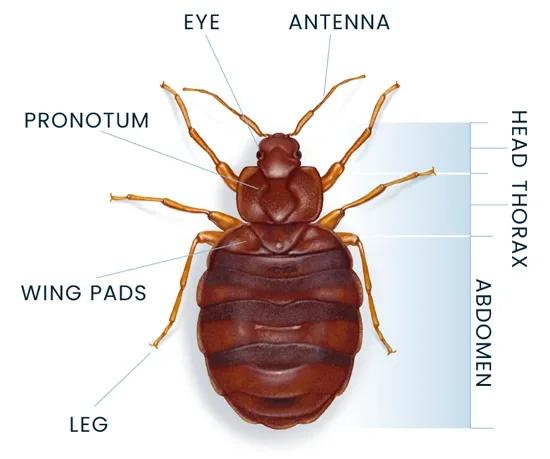
So, What Are Bed Bugs Anyway?
Bed bugs (Cimex lectularius and Cimex hemipterus) are tiny, reddish-brown insects that feed on human blood, usually while we sleep. About the size of an apple seed, these pests are flat and oval-shaped, making them experts at hiding in cracks, crevices, and seams. While they don’t spread disease, their bites can cause itching, allergic reactions, and sleepless nights. Worse, they’re notoriously hard to get rid of without professional help. They’re notorious hitchhikers, easily carried in luggage, clothing, or secondhand furniture.
Once bed bugs move in, they can be tough to kick out without a solid treatment plan, mostly because they’re really good at hiding and often go unnoticed until there are a lot of them. Catching them early is key to stopping them from spreading to other rooms (or even other apartments).
Bed bugs are very resilient. Unlike most insects, nymphs and adults can survive for months without food. They can go longer without food the cooler it is – so if the temperature is 55 degrees or less, bed bugs can potentially live up to a year without feeding!
Identifying Bed Bugs
Identifying bed bugs can be tricky since they are often mistaken for other pests like fleas, ticks, or carpet beetles (see Mistaken Identities above). After they’ve taken a blood meal, they change from brown to a more purplish-red color and become more enlarged and elongated. They leave behind telltale signs such as tiny, rust-colored spots on sheets or mattresses (which are actually their droppings) and shed skins. You might also find empty shells (exoskeletons), which they shed when they grow from one stage to the next.
You might also notice itchy, red bites on your skin, often in a line or cluster. However, you can’t know for certain by the bites whether or not you have bed bugs. Other pests bite that leave similar markings, and some people don’t react at all. If you think you have bed bugs but can’t be sure, your best bet is to call for an inspection. Our experts know exactly what to look for and all the sneaky hiding spots bed bugs love to frequent.
Mistaken Identities: Sneaky Bugs That Look Like Bed Bugs
Not every tiny bug is a bed bug! One problem that facilitates ongoing bed bug infestations is a case of mistaken identity. Here are a few common look‑alikes:
- Carpet beetles, booklice, and dust mites: These little guys are often smaller, may have wings, and move faster than bed bugs. Plus, they don’t leave those telltale rust‑colored spots behind.
- Cockroach nymphs: Baby roaches are bigger, scurry away quickly, and don’t bite people. Their droppings also don’t smear red like bed bug spots do.
- Mites or chiggers: These can leave itchy bumps or rashes, but you won’t see the insects themselves or find eggs or stains like you would with bed bugs.
Bottom line: If you’re not finding bugs, eggs, or those dark little spots, it’s probably not bed bugs—at least until you get a proper ID.The University of Kentucky conducted a survey to see who could correctly identify a bed bug. Participants were shown the image below and asked to identify them; only 35% of US business travelers and 28% of leisure travelers could correctly identify the pest as a bed bug. Credit: Entomological Society of America
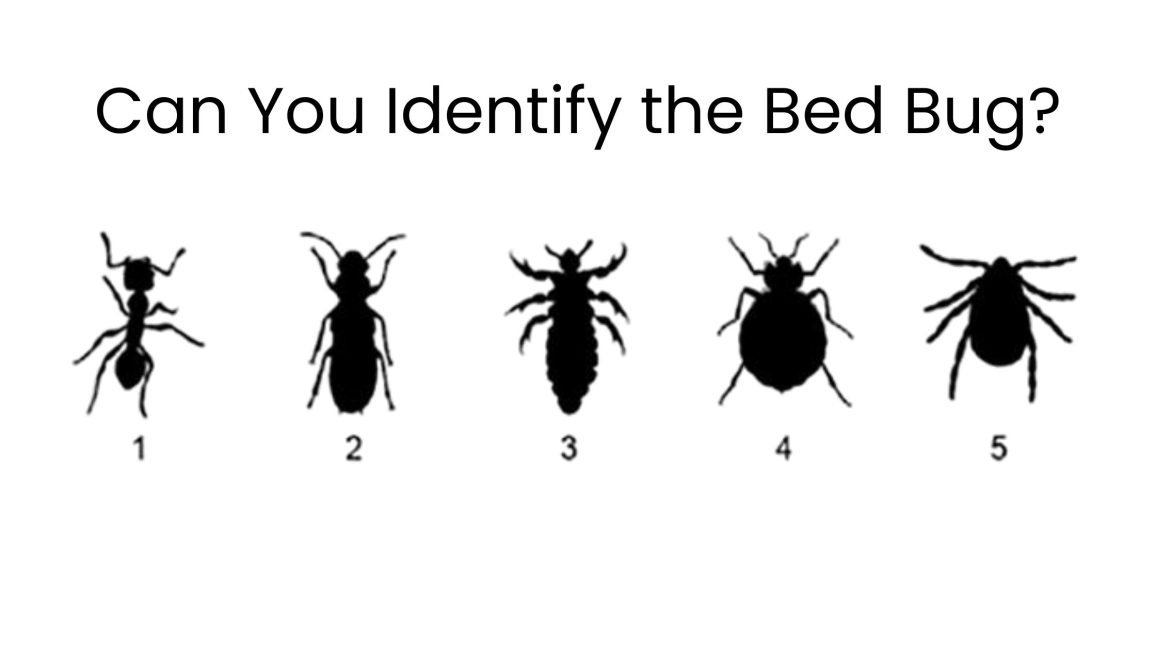
The answers are: 1) ant 2) termite 3) louse 4) bed bug 5) tick.
So why is this a problem? If people can’t tell bed bugs apart from other bugs, they might not deal with them right away, which gives the bed bugs time to spread. Sometimes they even waste money on treatments for bugs that aren’t actually bed bugs. Since these little pests multiply fast, ignoring the problem can mess up homes, hotels, and other spaces. Being able to spot a real bed bug is super important for stopping them in their tracks and keeping them from spreading all over.
Here are some of the most common insects that people mistake for bed bugs:
Bed Bug Flea Tick Spider Beetle
Carpet Beetle Bat Bug
Have a bed bug problem that needs fixing?
How to Identify Bed Bugs on a Mattress
Wondering how to identify bed bugs on a mattress? Start by checking the seams, tags, and piping of your mattress and box spring, and nearby cracks within a foot or two of where people sleep. Look for these telltale signs:
- Black or rusty‑red fecal spots on sheets and mattress surfaces. Wipe with a damp tissue: if it turns rusty, that’s bed bug excrement.
- Shed skins: As they grow, bed bugs molt and leave behind translucent shells.
- Tiny white eggs (~1 mm) and bean‑shaped shed skins around seams and corners.
- Live bugs or nymphs: they’re tiny, oval, flat, translucent when unfed, reddish‑brown after feeding.
Hotels and homes can look tidy, so use a flashlight and a credit card to inspect tight spaces. If you spot any of the above, it’s time to take action.
How to Identify Bed Bugs in a Hotel Room
Staying in a hotel? Here’s a quick way to check for bed bugs before you get comfy:
- Keep your suitcase in the bathroom while you look around (bed bugs don’t usually hang out there).
- Pull back the sheets and check the mattress seams, headboard, and box spring for dark spots, tiny eggs, shed skins, or live bugs.
- Look over the sheets and pillowcases for small, rust-colored stains.
- Check nearby furniture too. Places like nightstands, headboard cracks, and even around the alarm clock.
- Notice any itchy red welts after your first night? Take another close look or ask to switch rooms.
Pro tip: Keep your suitcase on a luggage rack, away from the bed and walls. If you spot anything suspicious, let the hotel staff know right away and ask for a different room, preferably one that isn’t next to the one you just stayed in.
The Problem with Bed Bugs
One big reason bed bugs have become such a hassle is that they’re becoming resistant to the pesticides meant to kill them. To understand why, let’s take a quick trip back into the history of these pesky bugs.
Bed bugs have been hanging out with humans for ages, even making appearances in ancient Egyptian tombs! In the 1930s, about one in three homes in London had bed bugs. These little pests have adapted well to living with us, which makes them tough to get rid of.
DDT, a synthetic pesticide introduced in 1939, was initially a game-changer against bed bugs. It killed insects by messing with their nervous systems and remained effective for months after application. Plus, it was cheap to produce.
However, bed bugs quickly adapted. By the 1940s, some had developed resistance to DDT due to a mutation that they passed on to their offspring. This resistance grew because DDT was used so extensively and often. So, what started as an effective solution became less so as bed bugs evolved to survive it.
Because of the pesticide’s environmental impact, the United States banned the use of DDT in 1972, and most of the world had done the same by 2004. DDT is also harmful to humans and animals, so this was a good decision. However, since DDT was banned, bed bugs have continued to build resistance to all other pesticides used to control them. And as we said before, people are traveling around the world more now than ever, which allows these little bloodsuckers to spread quickly.
Do Bed Bugs Bite or Sting?

Bed bugs bite, piercing your skin and feed on your blood for 3-10 minutes, then crawl away. Sounds like a horror movie, right? Luckily, bed bugs aren’t known to spread disease in humans. When they bite, they inject a fluid that is both an anesthetic and anticoagulant, which means you won’t even feel them biting you. You may not notice you’ve been bitten for a few days, but when you do, you’ll see they look similar to mosquito or flea bites. These bites can cause allergic reactions and a lot of itching for some people and others may not have any reaction at all.
Bed bugs are mainly active at night, preferring to hide and sleep near where they feed. That usually means beds or sofas, but if an infestation is severe enough, they can also be found in closets, carpets, and on clothing.
How to Identify Bed Bug Bites on Skin
Bed bug bites can be tricky to identify because they resemble bites from mosquitoes or fleas. Here’s what to look for:
- Look for clusters or lines of itchy, red welts, often arranged in a zig‑zag or “breakfast, lunch, dinner” pattern of 3‑5 bites.
- Bites typically appear within hours to days after being fed upon. Many people don’t react at all, while others develop swollen bumps, blisters, or hives.
- Common bite locations: face, neck, arms, hands, or any skin exposed during sleep.
One important thing to know: bites by themselves aren’t a sure sign of bed bugs. The EPA and other experts say lots of things, like mosquito or flea bites, allergies, and even eczema, can look the same. Always check for other signs, like spots or shed skins, to be sure.
What is the Life Cycle of Bed Bugs?
Ever wonder how long the lifecycle of a bed bug really is? These little pests grow up faster than you might think. Under the right conditions, a bed bug can go from egg to full-grown adult in about 37 days. And once they’re adults, they can live for several months, sometimes even up to a year, if they have access to a food source.
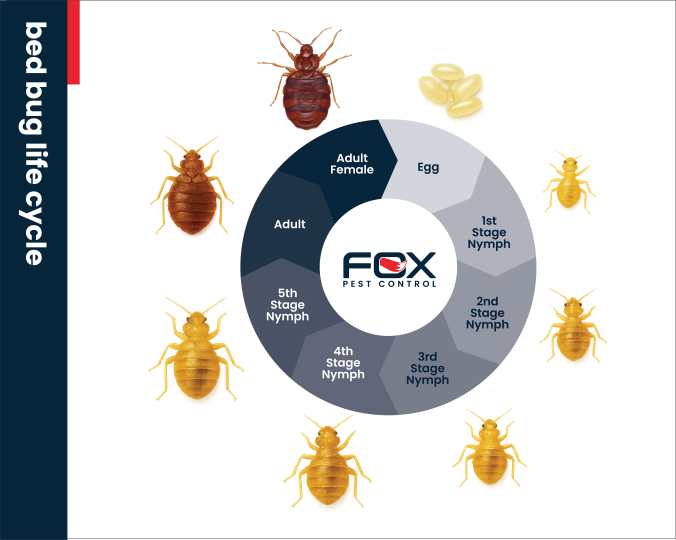
Bed Bug Life Stages Explained
- Egg Stage: It starts with tiny, white eggs—about the size of a pinhead. A single female can lay 1–5 eggs per day, adding up to 200–500 eggs in her lifetime (Penn State Extension). These eggs are sticky and often hidden in mattress seams, furniture cracks, or behind headboards. They hatch in about 6–10 days.
- Nymph Stage: After hatching, bed bugs enter the nymph stage, which is made up of five smaller growth phases called instars. At each instar, the nymph looks like a lighter, smaller version of the adult and must take a blood meal before molting into the next stage. With steady access to food, they can move through all five instars and reach adulthood in as little as 2–4 weeks.
- Adult Stage: After their final molt, nymphs become adult bed bugs—reddish-brown, oval-shaped, and about the size of an apple seed. These adults can live for several months and will keep feeding and reproducing as long as they have access to a host.
Throughout their lives, bed bugs are all about finding a cozy spot close to their food source (that’s us!) and continuing their life cycle. That’s why they’re so good at making themselves at home in our beds and furniture.
Environmental Factors That Affect Bed Bug Development
The lifecycle of a bed bug isn’t always the same—it depends on the environment. Warmer temperatures (around 70–80°F) and regular access to a blood meal make bed bugs grow faster. In cooler conditions or when food is scarce, development slows down, and bed bugs can even go weeks or months without feeding.
Have a bed bug problem that needs fixing?
Behavior, Diet, and Living Conditions of Bed Bugs
Remember how we mentioned that bed bugs develop from egg to adult in just about 37 days? That quick life cycle is one reason they can be tough to control. But here’s another surprising fact: a single mated female can start an infestation on her own, as long as she has access to regular blood meals.
Bed Bugs and Traumatic Mating
Bed bug reproduction is unique compared to many other insects. Instead of the typical mating process, male bed bugs use a method called “traumatic insemination.” This means the male delivers sperm by piercing the female’s body rather than using a specialized reproductive opening. While this process can be physically taxing on the female, it allows her to store sperm and continue laying eggs over time.
Let’s look at little closer at the female’s reproductive cycle.
Reproduction

Female bed bugs can lay a few eggs each day, and over their lifetime, they can lay hundreds! The eggs are super tiny, sticky, and tough to spot—especially on light surfaces. At room temperature, they hatch in about a week, and the newborn nymphs are tiny, straw-colored, and need blood to grow. They shed their skin five times before becoming adults. With the right conditions (warmth and food), they can grow up fast—in about a month—and live up to 10 months, creating multiple generations.
Remember how we just talked about traumatic insemination? Well, because this method tends to be pretty traumatic, the females often go off on their own to avoid any further mating. However, the sperm will last quite a while, as long as she’s getting regular blood meals, which means she can continue to lay eggs without mating for a while. Eventually, the female will run out of sperm and have to mate again to fertilize her eggs, but until then, she can lay one to seven eggs per day for up to 10 weeks! She can lay up to 500 eggs in her lifetime! After hatching, nymphs are able to mate after just five weeks, and an adult female will mate with her own offspring when they reach maturity. This is how one single bed bug can become an infestation in a short amount of time!
Do Bed Bugs Nest?
Bed bugs aren’t your typical insect, as you can see by their mating and eating habits. They aren’t social creatures, and don’t “nest” like ants or bees do. Even so, they do tend to gather together when they’ve found a good blood source. This is why you’ll find groups of them on mattresses, box springs, bed frames, and headboards. You can see this gathering even after they’ve left, as they’ll leave dark spots and stains, which is their dried excrement. You may also find hatched and unhatched eggs, and tan-colored “skins” which are shed by the growing nymphs. Some people say they leave a bad odor, but unless it’s an extreme infestation, you most likely won’t smell anything.
Why Early Bed Bug Detection Is Critical
When it comes to bed bugs, time is everything. These tiny pests reproduce quickly, and an unnoticed infestation can turn into a nightmare in just a few weeks. Catching the early warning signs of bed bugs gives you a fighting chance to stop them before they spread. Early detection not only makes treatment easier but can also save you money, frustration, and a whole lot of sleepless nights.
Where Bed Bugs Hide (It’s Not Just Your Bed!)
Bed bugs are night crawlers and hide out during the day. Their hide-and-seek skills are pretty good, and when they do appear, it’s often in places you wouldn’t expect. Bed bugs prefer to live on wood, paper, and fabric surfaces but can also live on stone, metal, or plaster. Some of their favorite hiding spots include:
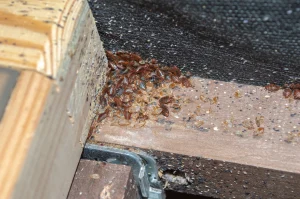
- Mattresses and Box Springs: They love to nestle in the seams, piping, and tags of mattresses and in the crevices of box springs.
- Bed Frames and Headboards: Any crack or crevice in your bed frame or headboard is a prime hiding spot.
- Furniture: Couches, chairs, and even dressers can provide plenty of nooks and crannies for bed bugs to hide.
- Baseboards and Carpet Edges: These tiny pests can easily slip into gaps around baseboards and carpet edges.
- Behind Wallpaper and Picture Frames: Bed bugs can hide behind loose wallpaper or in the joints of picture frames hanging on the wall.
- Electronics and Appliances: They’ve been known to hide in the tiny spaces within electronics and appliances.
- Suitcases and Bags: These pests are great hitchhikers, so they often hide in luggage and bags to travel from place to place.
And remember, bed bugs aren’t just a home problem anymore. Movie theaters, buses, trains, and especially thrift stores, where people unknowingly bring bed bugs home with old furniture or clothing, are common hotspots these days. One of our technicians even told us about a customer whose son kept getting bites at work. The culprit? Bed bugs hiding in the padding of his drive-through headset. If that doesn’t make your skin crawl, nothing will!
Early Warning Signs of Bed Bugs to Watch For
Even with their expert hiding skills, bed bugs leave behind telltale clues. Here are the most common warning signs of bed bugs you should keep an eye out for:
- Bed Bug Bites on Your Skin One of the first things people notice is unexplained itching or red bumps. What do bed bug bites look like? They often show up in small clusters or a line and may be itchy or swollen. While they can look similar to mosquito or flea bites, their pattern and location – usually on arms, legs, neck, or back – can be a giveaway.
- Fecal Spots on Bedding or Walls Tiny dark stains on your sheets, mattress seams, or even nearby walls may be bed bugs’ fecal spots. These look like little ink dots that bleed into fabric. If you see these specks, especially near where you sleep, it’s time to investigate further.
- Shed Skins from Growing Nymphs As bed bugs grow, they shed their exoskeletons, leaving behind papery, translucent shed skins. Finding these in mattress seams, furniture joints, or along baseboards is a strong sign of an active infestation.
- Musty Odor in Severe Cases In more severe infestations, you might notice a sweet, musty odor. This smell comes from bed bugs’ scent glands and is most noticeable when they’re present in large numbers.
Think you’ve spotted early warning signs of bed bugs? Don’t wait for the problem to get worse. Bed bugs won’t go away on their own, but the experts at Fox Pest Control can help. Call us today for a free inspection and take back your peace of mind.
Have a bed bug problem that needs fixing?
What Can You Do About Bed Bugs?
Even though bed bugs are becoming even more resistant to pesticides, we humans are still smarter and are always coming up with new ways to detect these hitchhikers. Remember how we were talking about the Paris outbreak in 2023? Well, the Olympics were held in Paris less than a year later, and there was a lot of talk about how to make sure the athletes and visitors didn’t let bed bugs hitch a ride back to their respective countries.

South Korea took an innovative approach to tackling bed bugs at its Incheon International Airport by deploying a bedbug-sniffing dog named Ceco. This two-year-old beagle, trained by pest control company Cesco, is the only dog in the country capable of detecting bed bugs by sniffing out their pheromones. Ceco is remarkably efficient and capable of sweeping a standard hotel room in under two minutes. This initiative was launched as athletes and fans returned from the Paris Olympics, aiming to prevent the spread of bed bugs from abroad. The effort includes increased disinfection measures for flights arriving from Paris.
Unfortunately, not everyone can have an amazingly talented pet like Ceco, so here’s how to protect against an infestation or deal with it if it’s too late.
What to Do If You Suspect Bed Bugs
Keeping your home safe from bed bugs doesn’t have to be a hassle. With a few simple steps, you can make sure these tiny pests don’t take over your space. If your skin shows suspicious bites and/or you find signs in bedding, here’s how you can protect your home:

- Isolate the room: don’t move infested items to other areas—bed bugs can hitch a ride.
- Launder bedding and clothing in hot water and heat-dry for at least 30 minutes. Vacuum mattress seams and nearby surfaces.
- Use a protective mattress cover to trap or starve bugs inside.
- Set interceptor traps or sticky monitors near bed legs to catch climbing bugs and confirm presence early.
- Get in touch with Fox Pest Control for verification and treatment options.
When you look for the telltale signs, things like spots on the mattress, clusters of bites, and other clues around your bed – you’ll have a much better shot at figuring out if you’re really dealing with bed bugs (and save yourself the headache of chasing the wrong pest!).
Don’t Bring Bed Bugs Home with You!
Bringing bed bugs home from your travels or thrift shopping is definitely something you want to avoid. Here’s how you can keep those tiny pests from hitching a ride back with you:
1. Inspect Your Hotel Room
- Check the Bed: When you get to your hotel, don’t just flop onto the bed. Take a minute to inspect the mattress seams, headboard, and any nearby furniture for tiny brown spots or actual bed bugs.

2. Handle Your Luggage Carefully
- Keep Your Luggage Off the Floor: Use the luggage rack instead of putting your suitcase on the bed or floor. Bed bugs can crawl into your stuff if it’s too close to the bed
- Pack Smart: Keep your clothes in your suitcase and zip it up when you’re not using it. You can even use plastic bags for extra protection.
- Unpack Outside: When you get home, unpack your suitcase outside or in the garage. Immediately wash all your clothes in hot water, even the ones you didn’t wear, just in case.
3. Check Thrift Store Finds
- Inspect Before Buying: If you love thrifting, always check out furniture, clothes, and any fabric items before you buy them. Look closely for any signs of bed bugs, like tiny black dots or actual bugs.
- Treat Before Bringing Inside: For clothes, toss them in the dryer on high heat for 30 minutes. For furniture, consider giving it a thorough cleaning or treating it with bed bug spray before bringing it into your house.
How Fox Takes Care of Bed Bugs
Because bed bugs are such a pervasive problem that needs a personalized plan on how to get the infestation under control, we’ll customize this bed bug treatment to meet your needs. Depending on your situation, we will work together to take care of the current situation, and help you protect against new problems.

Not a sanitary issue, we know how stressful this can be, the technician will work with you through this process.
Educating our customers about eliminating bed bugs is a valuable part of our bed bug control services. We’ll share tips and suggestions on how to prevent these pests from returning. We’ll give you some instructions to follow prior to our visit that will make our treatment as effective as possible.
Two weeks after the initial visit and treatment, we return for a follow-up treatment and to check in with you and make sure the first treatment did its job.
Our Satisfaction Guarantee
We know bed bugs are tricky to get rid of, but Fox has your back! We’re committed to helping solve your bed bug issue, and if more visits are needed to take care of the problem, we’ll come back for free. Our 30-day warranty ensures you don’t pay extra for those follow-up visits.